


A vehicle payment is only one part of the decision. The Chevrolet financing process also affects how long you will be paying, how much flexibility you have later, and whether the truck or SUV you choose truly fits your household budget. For families and drivers around Florence and the Shoals, a little preparation can make the conversation simpler and much less stressful.
Whether you are considering a Silverado for work, an Equinox for daily errands, a Tahoe for a growing family, or an EV such as the Equinox EV, financing should feel clear from the start. The goal is not to rush toward a signature. It is to understand your options well enough to choose with confidence.
Start With the Vehicle That Fits Your Needs
Financing works best when it starts with the right vehicle, not just the lowest-looking monthly payment. A longer loan term can reduce the payment, for example, but it may mean paying interest for more time. Choosing a vehicle that meets your needs without stretching your budget gives you more room to select terms that make sense.
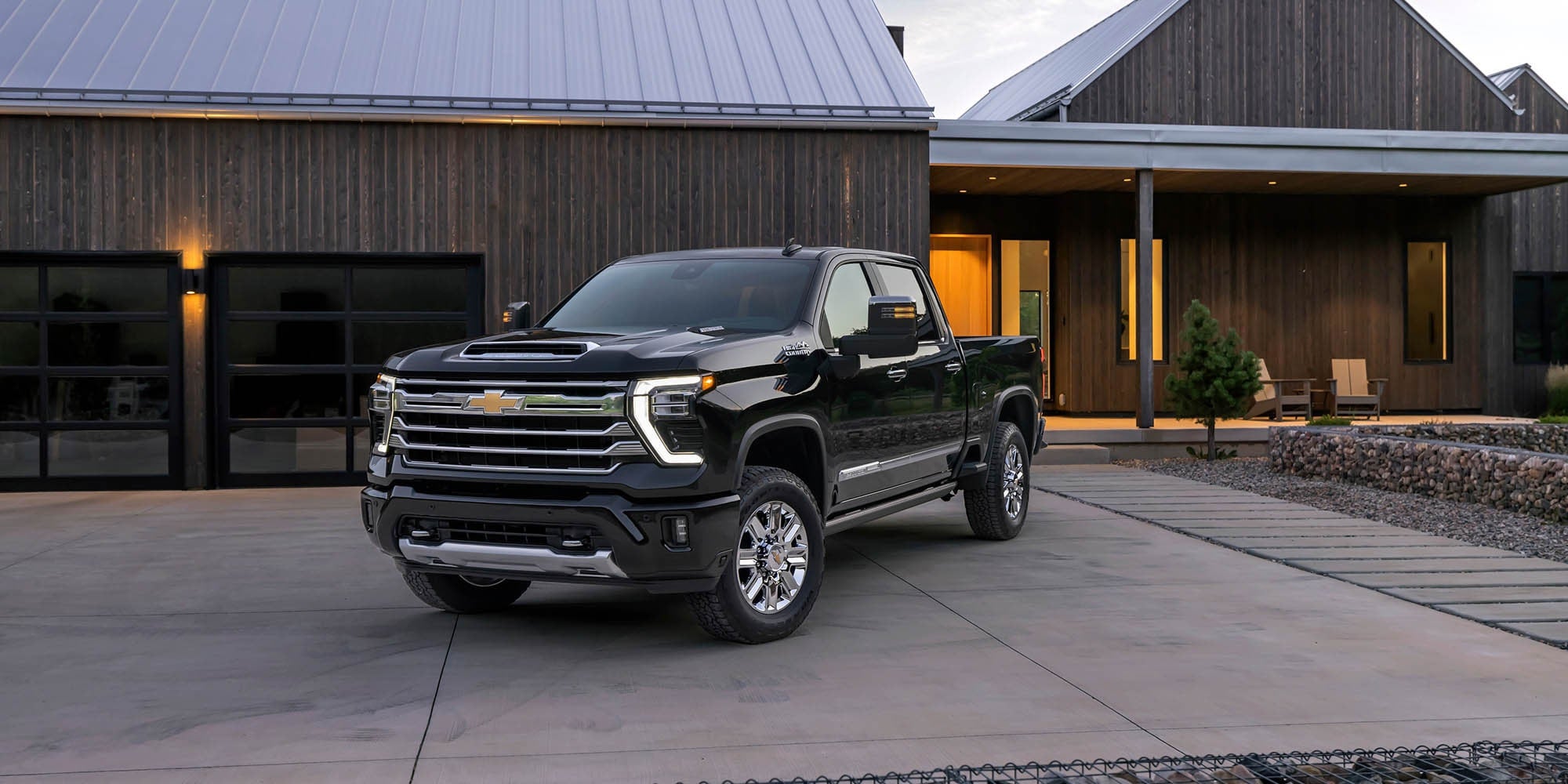
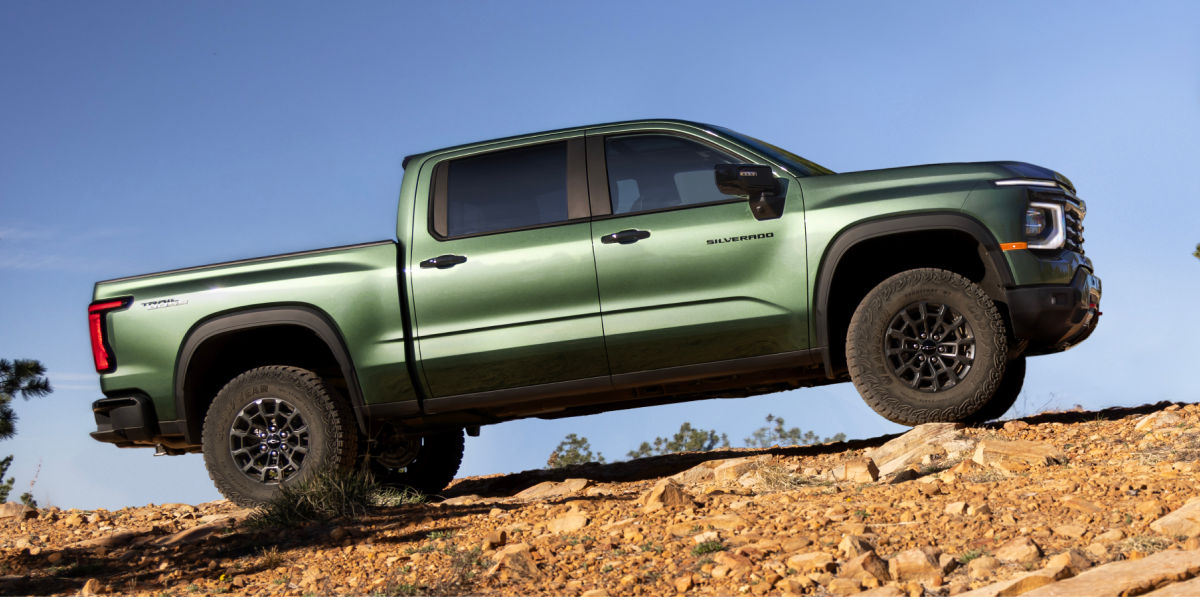
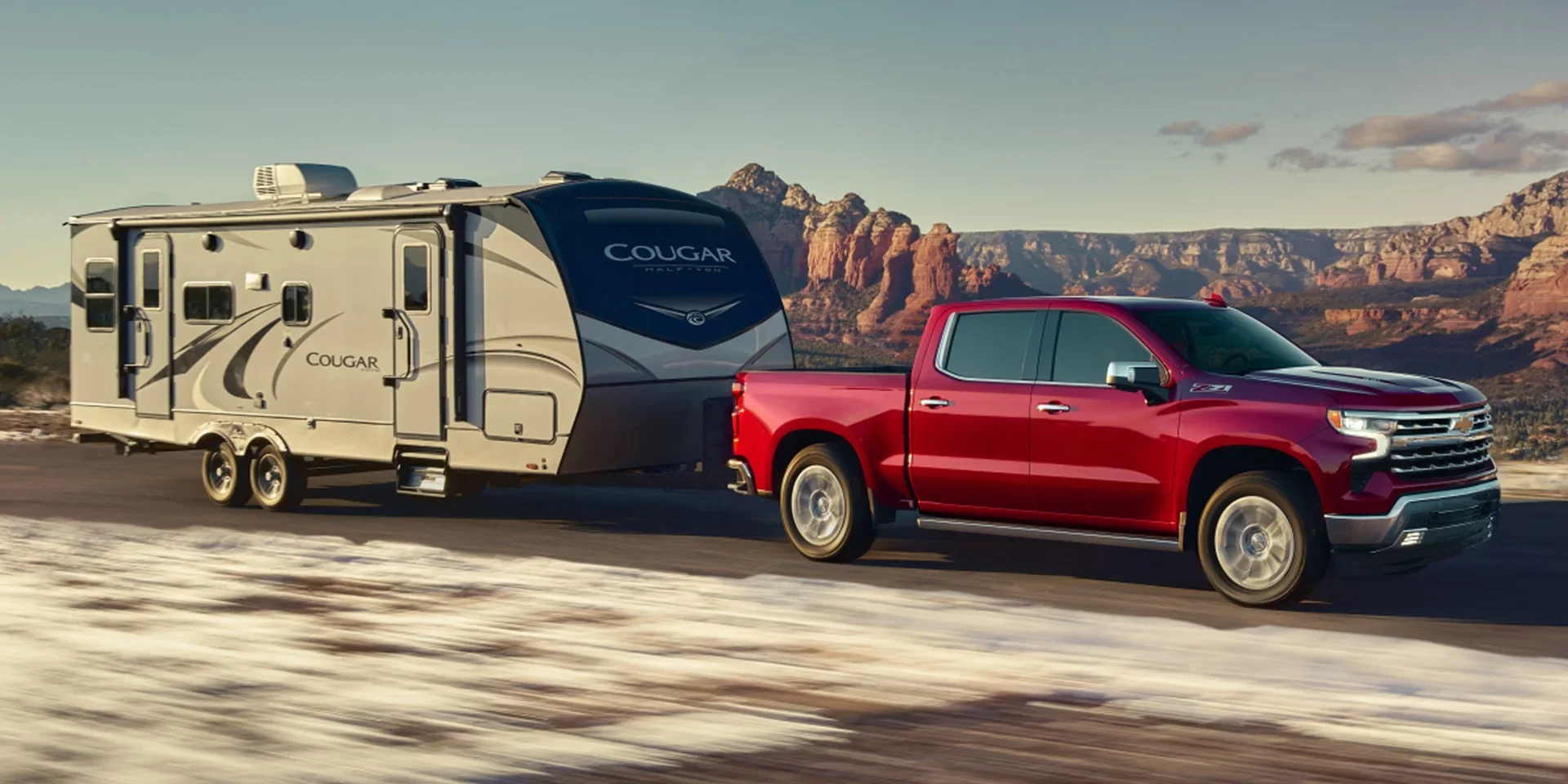
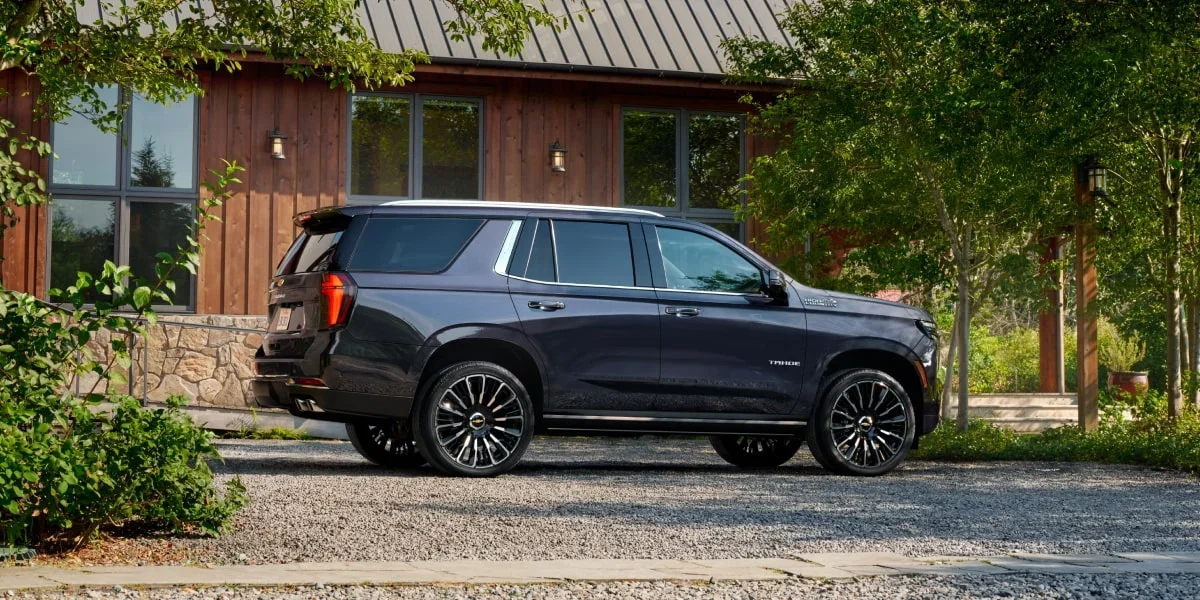
Think about how you will use your Chevrolet most days. A Silverado 1500 may be the right match if towing, jobsite equipment, or weekend projects are part of life. A Traverse or Suburban may make more sense for larger families, while an Equinox offers a practical size for commuting and running around Muscle Shoals, Sheffield, or Tuscumbia.
New and used vehicles can both be strong choices. A new Chevrolet may offer the latest technology, available driver-assistance features, and full factory coverage. A used vehicle can be a practical route for shoppers focused on value. Certified pre-owned Chevrolet models may offer an appealing middle ground, with inspection requirements and added confidence beyond a typical used vehicle. The best fit depends on your driving needs, preferred features, available down payment, and long-term plans.
What Lenders Review During the Chevrolet Financing Process
When you apply for financing, lenders look at the overall picture rather than one detail alone. They generally review your credit history, income, employment information, existing monthly obligations, the vehicle being financed, and the amount you plan to put down or trade in.
Credit history helps a lender understand how you have managed borrowed money in the past. A strong history may lead to more financing choices, but a less-than-perfect credit profile does not automatically stop you from buying a vehicle. It simply means the finance team may need to explore different lending programs and structures. Being honest about your situation helps everyone focus on realistic options.
Income and monthly obligations matter because lenders want to see that the payment fits comfortably alongside your other responsibilities. Bring recent proof of income if requested, along with identification, proof of residence, and insurance information. Requirements can vary, especially for self-employed buyers, recent graduates, or shoppers with a limited credit history, so it is wise to ask what documents will be helpful before your visit.
Your Down Payment and Trade-In Matter
A down payment reduces the amount you need to finance. It can help lower the monthly payment and may improve the terms available to you. Even if you do not have a large cash down payment, a trade-in can contribute meaningful value toward your next Chevrolet.
Before discussing figures, gather your trade-in's title or payoff information if it is still financed, along with service records and both sets of keys if available. Its condition, mileage, market demand, and outstanding loan balance all affect how it fits into the transaction. If you owe more than the vehicle's current value, that difference may need to be addressed in the new financing arrangement. A straightforward conversation early in the process prevents surprises later.
Compare the Full Loan, Not Just the Monthly Payment
A monthly payment is easy to focus on because it is the number you will see every month. Still, it should not be the only number that guides your decision. Ask about the annual percentage rate, loan term, total amount financed, and total cost of the loan over time.
A shorter term generally means higher monthly payments but less interest paid overall. A longer term may create more breathing room in the monthly budget, though it can increase total interest and may leave you owing more than the vehicle is worth for a longer period. Neither option is automatically right or wrong. The better choice depends on your cash flow, emergency savings, trade cycle, and how long you intend to keep the vehicle.
It is also helpful to discuss whether an extra payment or early payoff is allowed without a penalty. If you expect seasonal income, bonuses, or tax refunds, that flexibility can be useful. The finance team should be able to explain the terms in plain language before you make a final decision.
Consider Protection Products Carefully
During financing, you may hear about optional protection products. Depending on the vehicle and your circumstances, these can include vehicle service contracts, GAP coverage, or protection plans for certain components.
These products are optional, and their value depends on your situation. GAP coverage, for instance, may be worth considering if you finance a large portion of the vehicle and would have difficulty covering the difference between an insurance settlement and a remaining loan balance after a total loss. A service contract may appeal to a driver who plans to keep a vehicle beyond factory warranty coverage. Ask what is covered, what is excluded, how long coverage lasts, and whether the cost is included in the amount financed. You deserve time to consider the answers without pressure.
Financing an EV Has a Few Extra Questions
The financing process for an Equinox EV, Blazer EV, or Silverado EV follows many of the same steps as financing a gas-powered vehicle. You will still choose the vehicle, apply for credit, review loan terms, and sign documents once you are comfortable with the agreement.
The practical difference is that EV shoppers should also consider charging. Think about where you will charge at home, whether your daily routes fit the vehicle's driving range, and whether you expect to use public charging on longer trips. Federal EV tax credits are no longer available for vehicles acquired after September 30, 2025, and any other incentives can change, with eligibility that varies by buyer and vehicle. A dealership finance professional can help you understand current information, but a tax professional is the right person to advise you on your individual tax situation.
For many Shoals-area drivers, the decision comes down to driving routine. An EV may be a great fit for predictable commuting and home charging. A gas-powered SUV or truck may be the better match for drivers who travel long distances often, tow regularly, or simply prefer familiar refueling routines.
How to Prepare Before You Apply
You do not need to have every answer before starting the process. A few minutes of preparation can help you feel more in control. Review your credit report for errors, decide on a comfortable payment range, estimate the value and payoff amount of your trade-in, and bring the documents the dealership requests.
It also helps to separate needs from nice-to-have features. Four-wheel drive, towing equipment, third-row seating, hands-free technology, and EV charging capability may all matter, but not every shopper needs every feature. Knowing your priorities makes it easier to compare vehicles and financing structures without losing sight of the reason you started shopping.
Pre-approval can be useful because it gives you an early look at potential financing terms. It is not always the final answer, since the vehicle you select and your completed application can affect the final offer, but it gives you a clearer starting point. If you have financing through your bank or credit union, you can compare that offer with dealership-arranged financing and choose the option that serves you best.
Questions Worth Asking Before You Sign
A respectful finance conversation leaves room for questions. Before completing paperwork, make sure you understand the interest rate, loan length, payment due date, total amount financed, and any optional products included in the agreement. If a term is unclear, ask for it to be explained another way.
You should also ask how your trade-in was applied, whether there are requirements for insurance coverage, and what steps to take if your circumstances change after the purchase. There is no benefit to nodding along when you need a clearer answer. A vehicle purchase is a major decision, and you should leave knowing what you agreed to.
At Chevrolet of Florence, our family has served North Alabama drivers for generations with the belief that customers deserve respect and honesty. When you are ready, browse our new or used Chevrolet inventory, complete a financing application, or bring your questions to our team. The right financing plan should support the vehicle you want and the life you are building around it.
Frequently Asked Questions
Can I apply for Chevrolet financing online before visiting the dealership?
Yes. Bentley Chevrolet of Florence has an online financing application you can complete from home in Florence, Killen, Rogersville, or anywhere in the Shoals. Applying ahead of time gives the finance team a head start, so your visit can focus on choosing the right vehicle and reviewing terms. You can still ask questions and compare options before you sign anything.
Can I get a car loan in the Shoals with limited or rebuilding credit?
Many shoppers with limited credit history or past credit challenges still find financing options, though terms depend on the lender and your full application. A larger down payment, a trade-in, steady income, or a qualified co-buyer can help. Being upfront about your situation lets the finance team look for programs that fit, and there is never an obligation to accept terms you are not comfortable with.
Should I finance a new or used Chevrolet?
Both can make sense. New Chevrolet models may qualify for manufacturer financing offers and come with full factory coverage, while a used vehicle can lower the amount you need to borrow. Rates and terms for new and used vehicles often differ, so compare the total cost of each loan, not only the monthly payment, before you decide which route fits your budget.
Can I sell my vehicle to the dealership without buying one?
Yes. Bentley Chevrolet of Florence offers a way to sell your car even if you are not shopping for a replacement right now. Bring the title or payoff information, registration, and keys, and the team can review your vehicle's condition and value. If you later decide to buy, the same information makes the trade-in part of a financing conversation simpler.