


Bentley Chevrolet of Florence

Blog

First Time EV Buyer Guide for Alabama Drivers

First Time EV Buyer Guide for Alabama Drivers

A first electric vehicle can feel like a big change when you are used to stopping for gas on the way home from work or before a weekend at the lake. The good news is that most of the adjustment happens before you buy, not after. This first time EV buyer guide focuses on the questions that matter most for Shoals-area drivers: where you will charge, how much range you actually need, and which Chevrolet EV fits the way your family drives.

Start With Your Real Driving Routine

Range is usually the first number shoppers ask about, but it makes more sense when tied to your normal week. Think about your commute from Florence to Muscle Shoals, school pickup, errands in Sheffield or Tuscumbia, and the occasional trip to Huntsville, Birmingham, or Nashville. If you can recharge at home overnight, you begin most mornings with the range you need rather than making a special stop for fuel.

Look at your average daily mileage, then add room for unexpected errands and weather. You do not need to use every mile of an EV's estimated range every day. In fact, many owners find that keeping a comfortable buffer makes ownership feel simpler.

Cold temperatures, high speeds, heavy cargo, steep grades, and towing can all reduce range. That is true of every EV, including Chevrolet models. It does not mean an EV is a poor fit for Alabama driving. It simply means the range number on a window sticker is an estimate, not a promise for every route and every season.

Match the Vehicle to the Job

Chevrolet offers EV choices for very different needs. The Equinox EV is a practical fit for many commuters, small families, and drivers who want the familiar versatility of a compact SUV. Properly equipped versions offer EPA-estimated range of up to 319 miles, which can cover most day-to-day driving with plenty left over.

The Blazer EV brings a bolder midsize SUV shape and available configurations with EPA-estimated range of more than 300 miles. It may appeal to drivers who want more space and a more athletic feel. Families with larger cargo needs, frequent road trips, or trailer plans may want to consider the Silverado EV. Certain versions offer a GM-estimated range of up to 478 miles, though payload, towing, speed, and conditions will affect what you see in real use.

The best choice is not automatically the model with the highest range. It is the one that has the passenger room, cargo capacity, capability, and charging plan that suit your household.

Understand Charging Before You Take Delivery

Charging is easier to understand once you separate it into three common levels. A Level 1 charger plugs into a standard household outlet. It adds range slowly, so it works best for drivers with short daily travel or as a backup option.

Level 2 charging is what many EV owners choose for home. It uses a 240-volt outlet or dedicated charging unit, similar to the type of power used by certain large appliances. Depending on the vehicle and equipment, it can add a meaningful amount of range overnight. For many households, that is the setup that turns charging into a simple routine: plug in after dinner, unplug in the morning.

DC fast charging is designed for getting back on the road during longer trips. It can add a substantial amount of range in a short stop, but charging speed changes during a session. Batteries generally charge fastest when they are not near empty or nearly full, and the rate slows as the battery fills. A fast charger is helpful for travel, but it is not usually meant to replace convenient home charging.

Before buying, check where you park. If you own a home with a garage or driveway, ask an electrician about your electrical panel, outlet options, and charger installation. If you rent or live in a condo, ask management about charging access before committing. Public chargers can work well, but an EV is generally easiest to own when you have dependable charging where you spend the night.

Plan for Road Trips, Not Just Daily Errands

An EV road trip takes a little more planning than a gas-powered trip, especially if you routinely travel beyond the Shoals. Built-in navigation and charging apps can help identify compatible stations and estimate charging stops. Still, it pays to check your route before leaving, particularly on holiday weekends or when traveling through less-populated areas.

A practical road-trip plan includes a primary charging stop and a backup option. Arrive with a cushion rather than trying to reach a charger with only a few miles remaining. Also consider what your family needs during a stop. A charging break can line up nicely with lunch, a restroom break, or stretching your legs, but it can feel inconvenient if everyone is in a hurry.

If you tow regularly, ask detailed questions before choosing an EV. Electric torque can make towing feel confident, but a trailer adds aerodynamic drag and weight, which can reduce range significantly. For occasional light towing, an EV may still fit your life well. For frequent long-distance towing, compare the trade-offs honestly with a gas or diesel truck.

Battery Health and Warranty Questions Are Worth Asking

EV batteries are built for years of use, and manufacturers back them with battery-specific warranty coverage. Ask the dealership to explain the current warranty terms for the exact vehicle you are considering, including what is covered and for how long. That is especially valuable when comparing a new EV with a used one.

Battery degradation is gradual, not a sudden failure. Like any rechargeable battery, an EV battery can lose some capacity over time, but driving habits, climate, and charging patterns all play a role. There is no need to treat the battery like it is fragile. Follow the owner's manual, use scheduled charging when it is helpful, and avoid leaving the vehicle at an extremely high or low charge for long periods unless the vehicle guidance calls for it.

For a used EV, review the vehicle history, remaining battery warranty, charging performance, tire condition, and available software updates. A used EV can be a strong value, but it deserves the same careful inspection as any used vehicle.

Do Not Compare Only the Purchase Paperwork

Electric vehicles can change your ongoing ownership costs, though results depend on your driving and electric rates. Home electricity is often less expensive per mile than gasoline, while public fast charging may cost more than charging at home. Insurance, tires, registration, and financing also belong in the full picture.

Maintenance is different, not nonexistent. EVs do not need oil changes, and regenerative braking can reduce brake wear by using the electric motor to slow the vehicle. You will still need tire rotations, inspections, cabin air filters, brake-fluid service, and attention to tire wear. EVs can be heavy and quick off the line, so good tires and proper alignment matter.

Federal EV tax credits are no longer available for vehicles acquired after September 30, 2025. State, utility, and local incentives can change, and eligibility may depend on the vehicle, where you live, or other factors. Treat incentives as a possible benefit rather than the whole reason to buy. A knowledgeable financing conversation can help you understand the current options without making assumptions about what applies to you.

Take a Test Drive With Your Everyday Needs in Mind

A short spin around the block will not answer every EV question. During a test drive, pay attention to one-pedal driving, which lets the vehicle slow more aggressively when you ease off the accelerator. Many drivers enjoy it after a brief adjustment, but you should try it yourself.

Check the rear-seat space with your family in mind. Open the cargo area, picture groceries and sports gear, and ask how charging-port access works where you park. Explore the navigation, charging tools, driver displays, and available driver-assistance features. The quiet ride and instant torque are fun, but practical comfort is what makes a vehicle right for the long haul.

At Chevrolet of Florence, our team can walk through charging, range, vehicle features, trade-in questions, and financing at a pace that feels comfortable. Compare new and used options, bring your normal commute questions, and take the time to find out whether an Equinox EV, Blazer EV, Silverado EV, or another Chevrolet is the better fit. The right first EV should make your daily drive easier, not give you another thing to worry about.

Frequently Asked Questions

How do hot Alabama summers affect EV range?

Running the air conditioning hard on a hot, humid day uses battery energy, so you may see less range than the estimate in peak summer, especially on short trips. Preconditioning the cabin while the vehicle is still plugged in at home can help, because it cools the interior using grid power instead of the battery. Parking in shade or a garage around the Shoals can also make a difference.

Do I need a Level 2 charger at home in Florence or Muscle Shoals?

Not always. A standard household outlet can work for drivers with short daily commutes, but it charges slowly. Many owners prefer Level 2 charging because it can restore a full day of driving overnight. Have a licensed electrician check your panel and wiring first. If you rent, ask your landlord about charging access before you buy an EV.

Can I find public chargers for trips from the Shoals to Huntsville or Nashville?

Public charging is available along many major routes in the region, but locations and charger speeds change over time. Use your Chevrolet EV's built-in navigation or a charging station locator to plan stops before you leave, and pick a backup station in case one is busy. Arriving with a comfortable buffer of range makes longer trips far less stressful.

Can I trade in my gas car or truck toward a Chevy EV?

Yes. Bentley Chevrolet of Florence accepts trade-ins, and you can start with an online trade value estimate before you visit. Bring your title or payoff details, service records, and all keys. The value of your current vehicle can go toward a new or used Chevrolet EV, and our team can walk through how it fits into your financing options.
Recommended Posts

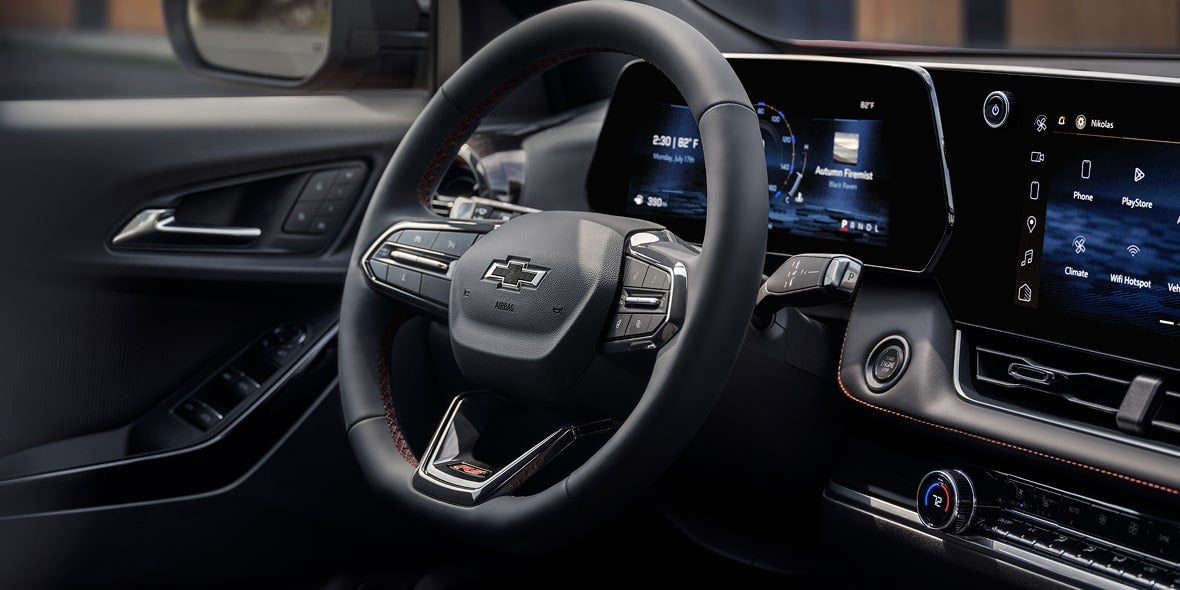
Driver's Seat View of the 2027 Chevy Equinox Steering Wheel and Dashboard, interior view

Used Cars Near Me: A Step by Step Checklist for Shoals Shoppers

By Bentley Chevrolet Team · Published November 16, 2026 When you type used cars near me into your phone, you get a long list of lots, listings and private sellers. The hard part is not finding a used car. It is knowing which one is worth your time and money. This checklist gives Florence and Shoals area shoppers a simple, step by step way to judge any used vehicle, whether it sits on a dealer lot or in a neighbor's driveway. Print it, save it on your phone or keep it open while you shop. Each step takes only a few minutes, and together they help you avoid the most common used car regrets. If you want to see what is on the lot while you read, you can browse used cars near me at Bentley Chevy in Florence and follow along with a real listing. Step 1: Decide What You Need Before You Search Used inventory changes every day. If you start browsing without a plan, it is easy to get pulled toward whatever looks shiny. A few minutes of planning keeps you focused. Start with the things that will not change. How many seats do you need on a normal day? Do you need all-wheel drive or four-wheel drive for gravel roads, farm lanes or a steep driveway? Will you tow anything, even a small utility trailer? Do you need room for a car seat, a stroller or work tools? Then list your nice to haves, such as heated seats, a sunroof or a larger touchscreen. Keep the two lists separate. A vehicle that checks every must have and half the nice to haves is often a better buy than one that has every luxury but is the wrong size. Next, pick two or three body styles. Most shoppers can narrow it down to a small SUV, a midsize SUV, a three row SUV, a midsize truck or a full size truck. Choosing two or three styles makes your search results far more useful. It also lets you compare similar vehicles side by side instead of comparing a compact car to a heavy duty pickup. Finally, think about the full cost of owning it. The price on the windshield is only part of the picture. Before you shop, call your insurance agent and ask for quotes on the models you are considering. Larger vehicles often need larger, more expensive tires. Trucks and three row SUVs usually use more fuel than small SUVs. Thinking about these costs now keeps you from buying a vehicle that strains your budget later. If you plan to finance, you can look over the auto financing options at Bentley Chevy so you know what to expect before you fall for a vehicle. Step 2: Read the Listing Carefully A good online listing tells you a lot before you ever leave home. A weak one leaves out the details that matter. Check each of these on every vehicle you save: Photos: Look for clear photos of every side, the interior, the dashboard with the vehicle running, and the tires. Missing angles can mean the seller is hiding damage. Mileage: Compare the miles to the age. A vehicle that was driven far more or far less than typical is not automatically bad, but it is worth a question. Trim and features: Make sure the trim listed matches the features you see in the photos. Trim names affect equipment, and mistakes happen. VIN: The vehicle identification number should be easy to find. You will need it for the next step. Description: Look for notes on recent service, new tires or new brakes. Vague descriptions with no details deserve more questions. On a dealer site such as the Bentley Chevy website, you can usually filter by make, model, mileage, drivetrain and features. Save the listings you like so you can compare them later. If a nearly new vehicle is on your list, it can also help to look at the new Chevrolet inventory in Florence so you can compare the two side by side. Questions to ask before you visit A quick call or message can save you a wasted trip. Ask these questions about any vehicle on your short list: Is the vehicle still available, and can it be ready for a test drive when I arrive? How many owners has it had, and was it a personal vehicle, a rental or a fleet vehicle? What reconditioning work was done after it was traded in? Are there service records, and can I see them? Does it come with two keys? The answers tell you how well the seller knows the vehicle. Clear, quick answers are a good sign. Vague replies are a reason to dig deeper. Step 3: Check the History and Open Recalls This step costs little or nothing and can save you from a bad purchase. Start with a vehicle history report. It shows reported accidents, title problems, the number of past owners and, in many cases, service visits. Many dealers provide one for free. GM's CarBravo certified used program, for example, states that every vehicle it certifies comes with a free CARFAX Vehicle History Report. If a private seller will not share the VIN so you can run a report, treat that as a warning sign. Next, look for open safety recalls. Open recalls are common on used vehicles, because not every owner answers the mail. You can look up any VIN for free on the National Highway Traffic Safety Administration's recall site at nhtsa.gov/recalls. Chevrolet's own website points shoppers to that same NHTSA lookup and lists the agency's phone number, (888) 327-4236, for anyone who wants to check by phone. An open recall does not mean you should walk away. It means the repair needs to be done. On a GM vehicle, Chevrolet states that recall work is covered at no charge when it is completed at a GM dealer. Ask the seller whether the recall has been fixed, and if not, plan to have the Chevy service department in Florence handle it right away. Last, understand the title. The title is the legal record of who owns the vehicle. Make sure the name on the title matches the seller, or that a dealer has the title in hand or on the way. Look for brands on the title such as salvage, rebuilt or flood. A branded title can make a vehicle harder to insure, harder to finance and harder to sell later. If the seller still owes money on the vehicle, ask how the loan will be paid off and how long it will take for the title to transfer to you. Step 4: Inspect It in Person Photos never tell the whole story. When you see the vehicle in person, go slowly and use your senses. Look, touch, listen and smell. Use this table as your walk-around guide. Area What to check Why it matters Paint and panels Walk around in good daylight and look for paint that does not match from panel to panel Mismatched paint can point to past repairs Gaps Check the gaps between doors, the hood and the fenders They should be even Tires Do all four match? Is the tread worn evenly? Uneven wear can mean alignment or suspension issues Under the vehicle Look for drips or fresh fluid spots on the ground Leaks are easier to spot before you buy than after Seats and belts Sit in every seat you plan to use and test the belts and adjustments You will use them every day Air conditioning Test it on a hot Alabama afternoon Weak cooling is worth a question Electronics Try every window, lock, mirror and the touchscreen Small electrical problems are annoying to live with Smell and carpet Notice any musty smell or damp carpet It can point to a water leak or past flood damage Under the hood Look for obvious leaks, cracked hoses or a battery covered in corrosion You do not need to be a mechanic to spot these Cargo area or bed Lift the cargo floor and check the spare tire and jack; on a truck, look at the bed and the hitch Heavy use shows up here first If you are buying from a private seller, consider paying a trusted mechanic to inspect the vehicle before you buy. A dealer should also be willing to let you have a vehicle looked at. If anyone pushes back on a reasonable inspection request, think twice. Step 5: Take a Test Drive With a Plan A short loop around the block is not enough. Plan a route of at least fifteen to twenty minutes that includes the kinds of roads you drive most, whether that is downtown Florence, a run over to Muscle Shoals or a stretch of highway toward Killen. Cold start: If you can, start the engine when it is cold. Some problems only show up before the engine warms up. City driving: In stop and go traffic, notice how smoothly the transmission shifts and how the brakes feel. Highway speed: Listen for wind noise, humming or vibration. The vehicle should track straight with a light grip on the wheel. Bumps and turns: Drive over a rough patch and make a few tight turns. Clunks or squeaks can mean worn suspension parts. Parking: Back into a space and use the camera. Check visibility out of the rear and side windows. After the drive, look at the dashboard. Warning lights that come on and stay on need an explanation before you go any further. If you drive more than one vehicle, write down a few notes right after each drive. What did you like? What bothered you? How did the seats feel after twenty minutes? Notes keep the vehicles from blurring together. If you are not sure, it is fine to sleep on it. A good used vehicle will still look good tomorrow, and a fresh look often makes the right choice clear. How Used Cars Near Me Compare: Dealer, Private Seller or Online Only Where you buy matters almost as much as what you buy. Each option has trade offs. Where you buy What you gain What to watch Franchise dealer Reconditioned vehicles, history reports, financing help, trade-ins and certified options Ask what reconditioning was done and read every document Private seller A direct conversation with the past owner No trade-in, you handle title work, and most sales are as is Online only seller Shopping from home Limited or no test drive before you commit, and returns can be complicated A local dealer also gives you a place to go if something comes up after the sale. You can drive back over, talk to the same people and have the vehicle looked at in the service department. If you have never shopped at a dealership before, our guide on what to expect at a car dealership in Florence walks you through a typical visit. What reconditioning usually means When a dealer takes in a used vehicle, it often goes through a service inspection before it is offered for sale. Worn tires, brakes, wiper blades or filters may be replaced, and the vehicle is cleaned inside and out. The details vary from one vehicle to the next, so ask to see what was done. A written list of the work is a good sign that the dealer stands behind the vehicle. It also gives you a starting point for your own maintenance records, so you know when the next tire rotation or oil change is due. Consider certified pre-owned If you want more peace of mind, ask about certified pre-owned Chevrolet vehicles in Florence. GM's CarBravo program states that each certified vehicle goes through a multi-point inspection by a Certified Service technician and comes with a standard limited warranty. CarBravo also says that GM requires dealers to complete all safety recalls before a CarBravo vehicle is listed or sold, and it offers a vehicle exchange within 10 days or 500 miles. Certified vehicles are not the right fit for every budget, but they are worth comparing. Start Your Search at Bentley Chevy in Florence If you are searching used cars near me from Florence, Sheffield, Tuscumbia or anywhere in the Shoals, the used lot at Bentley Chevy on Florence Boulevard is a short drive. Save the vehicles you like online and schedule a test drive so they are ready when you arrive. You can learn more about the people behind the store on the about Bentley Chevy page, or start from the Bentley Chevy homepage to see everything the dealership offers in one place. Your Used Car Checklist at a Glance List your must haves and nice to haves. Pick two or three body styles. Get insurance quotes before you shop. Read each listing and note the VIN. Run a history report and check recalls at nhtsa.gov/recalls. Inspect the outside, inside, tires and cargo area in daylight. Take a test drive of at least fifteen minutes on roads you know. Ask for an independent inspection if you have any doubts. Compare where you buy, not just what you buy. Frequently Asked Questions How many miles is too many for a used car? There is no single cutoff. A well maintained vehicle with higher miles can be a better buy than a neglected one with low miles. Look at the service history, the condition of the tires and brakes, and how the vehicle drives on your test drive. How do I check if a used car has an open recall? Enter the vehicle's VIN at nhtsa.gov/recalls. The lookup is free and shows any open safety recalls. On a GM vehicle, recall repairs are covered at no charge when completed at a GM dealer. Is it safer to buy a used car from a dealer or a private seller? Both can work. A dealer usually offers history reports, reconditioning, financing help and certified options, plus a place to return with questions. A private sale can work well too, but most are as is, so an independent inspection matters more. Should I get a used car inspected before I buy it? If you have any doubts, yes. A trusted mechanic can spot leaks, worn parts and past repairs that are easy to miss. A reasonable seller should allow it. Sources (as of October 20, 2026) 2027 Chevrolet Traverse Mid-Size SUV (as of October 20, 2026) CarBravo Certified Used Vehicles (as of October 20, 2026) Chevrolet Certified Used Vehicles (CarBravo) (as of October 20, 2026) CarBravo Ownership Benefits (as of October 20, 2026) Chevrolet Vehicle Warranty Information (as of October 20, 2026) The Manufacturer's Suggested Retail Price excludes tax, title, license, dealer fees and optional equipment. Dealer sets final price.

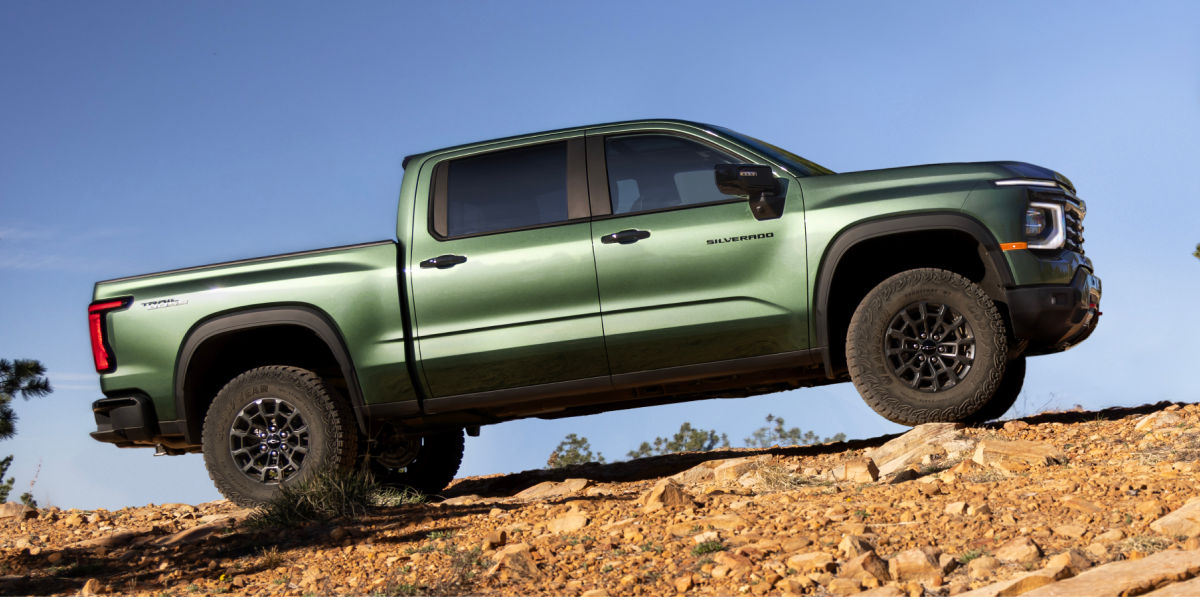
Exterior view of a 2026 Chevrolet Silverado HD, the current model year

2027 Silverado HD Diesel: The All New Duramax 8.3L Explained for Shoals Truck Owners

By Bentley Chevrolet Team · Published October 30, 2026 GM has revealed an all-new diesel for its heavy-duty trucks, and the 2027 Silverado HD diesel is the headline of a larger update. The engine is the Duramax 8.3L Turbo-Diesel V8, and GM says the 2027 Chevrolet Silverado HD is expected to arrive at dealers beginning late in 2026. If you pull heavy trailers around Florence, Muscle Shoals or the rest of the Shoals, here is what the news means for you and what to do while you wait. What GM Announced for the 2027 Silverado HD Diesel GM unveiled updates for its 2027 heavy-duty truck lineup, which includes the Chevrolet Silverado HD and its GMC sibling, the Sierra HD. The big change is a new diesel engine, but it is not the only one. GM also updated the gas V8, moved to a new kind of steering, added a new brake system and expanded the drive modes and towing technology. GM says the new diesel is its first clean-sheet HD V8 designed, developed and manufactured in-house for heavy-duty pickup applications. A clean-sheet design means the engineers started fresh instead of updating an older engine. That is a big step for a truck that many people use to earn a living. GM also points to a trend in the heavy-duty market. It says over 60 percent of heavy-duty customers opt for a diesel engine when they buy a truck, and that GM's brands already account for the majority of diesel share in the segment. In other words, the diesel is not a side option for HD buyers. It is the engine many of them are waiting to see. Why does this matter in the Shoals? Heavy-duty trucks do real work here. They pull equipment trailers, haul hay and feed, tow boats to the river and carry campers to the lake. A truck in that kind of life has to hold up to heavy loads, long days and plenty of hitching and unhitching. The 2027 update speaks directly to those jobs, because GM aimed it at customers who push their trucks hard every day. This is a reveal for a truck that is not in dealer showrooms yet. GM says more product information will be announced in future updates. We are sharing what GM has published so you can plan, and nothing here is a promise of availability at our store. The New Duramax 8.3L Turbo-Diesel V8, Explained Start with the numbers. GM says the available Duramax 8.3L Turbo-Diesel V8 makes 555 horsepower and 1,230 lb.-ft. of torque. GM describes both figures as best in class for diesels, based on its own review of competitive information, so treat that as the manufacturer's comparison. GM describes the engine as built around a strong foundation. It has a compacted graphite iron cylinder block and a fully forged crankshaft, along with forged connecting rods and steel pistons. GM says that combination forms the foundation for strength and durability. Those are parts you will never see, but they matter to anyone who plans to tow for years. Cooling and boost matter in a heavy-duty diesel, because towing keeps the engine under load for long stretches. GM says the engine uses a compact dual-stage air-to-water charge cooling system, a high-efficiency variable-geometry turbocharger and an upgraded engine-cooling strategy. The goal, as GM puts it, is consistent performance when the truck is working hard. The engine is part of a complete package. GM says it pairs the diesel with the Allison 10-speed transmission, upgraded exhaust braking capability and a new aftertreatment layout. Exhaust braking helps slow a heavy truck on a long downhill without leaning only on the wheel brakes. GM says the aftertreatment layout is designed to support regeneration functionality over long-distance towing. GM also talks about refinement. It says the new engine architecture, integrated intake design, advanced combustion system and crankshaft isolation hardware help reduce noise and vibration. That is worth noting if you spend long hours in the cab, because a diesel that is calmer at idle and under load makes a long day easier. GM says the new engine will be built at its expanded DMAX facility in Brookville, Ohio, where machining and assembly come together. Diesel or gas: how to think about it GM says the diesel is engineered around heavy-duty pickup customers, with a broad torque curve and high-flow fuel injection focused on launching heavy trailers, climbing grades and keeping control under load. That makes it the natural place to start if you tow big loads often. The gas V8 is the standard engine, and it may be all you need if your towing is lighter or occasional. The right answer comes from your own use. Ask yourself how heavy your trailer is, how often you pull it, how far you go and how steep the roads are. Then compare the trucks with your numbers in hand. We can help you do that when more information is available. What about the gas engine? Not every heavy-duty buyer wants a diesel, and GM has not forgotten them. The standard gas engine is an enhanced 6.6L V8 that GM says delivers 412 horsepower and 472 lb.-ft. of torque. GM calls that the best standard torque among all 2027 model-year HD gas engines, which again is its own comparison. GM says the engine is assembled at its Tonawanda Engine Plant in New York. The gas V8 also gets a new Turbo-Jet intake manifold, a revised lubrication system, an engine-mounted oil cooler and a digital oil-level display. Both the diesel and the gas V8 pair with the same transmission, so the main difference you will feel is the engine itself. Steering, Brakes and Drive Modes: The Control Upgrades Power is only part of a heavy-duty truck. Control matters just as much, and GM spent real effort there for 2027. The steering changes first. GM says the HD trucks move to a rack-and-pinion Electric Power Steering system, which it calls a segment-first for heavy-duty trucks. It replaces the previous hydraulic-assisted system, and GM says it delivers approximately 30 percent more power than the current hydraulic steering gear. Because it removes hydraulic pumps, hoses and fluid, GM says it also lowers complexity and cuts steering noise. If you spend your day maneuvering a loaded truck at low speed, that matters. GM adds that the system has built-in redundancy and corrosion-resistant and impact-resistant hardware meant for rough roads, debris and severe-duty use. The brakes change as well. GM says the HD trucks get a segment-first electronic brake-boost system, along with larger 14.6-inch front rotors and new four-piston fixed front calipers. GM says that hardware is meant to improve stopping with big trailers, along with a more linear and predictable pedal feel. GM also describes reduced pedal travel and a new pedal position. The system also supports driver-assistance features such as Adaptive Cruise Control and Automatic Emergency Braking, and GM says enhanced diagnostics can detect conditions such as brake fade or leaks sooner. The drive modes grow too. GM lists the following: Normal. An everyday setting for commuting and unloaded driving. Tow/Haul. It tailors engine mapping, shifting, exhaust brake, grade braking and steering and brake tuning for heavy loads. Off-Road. It adjusts the stability and traction systems for loose surfaces. Terrain Mode. A new mode on off-road trims that lets you drive off-road with one pedal. Lifting off the accelerator applies braking for control on steep grades. Towing Numbers and What They Mean for Your Trailer Heavy-duty buyers watch towing ratings closely, so here are the numbers GM published for the 2027 lineup. Every number is a maximum and applies only to trucks that are properly equipped or to select configurations. Rating What GM lists What it means Conventional trailering Up to 20,000 pounds A trailer pulled from a standard receiver hitch Gooseneck trailering Up to 38,000 pounds A trailer pulled from a hitch mounted in the truck bed Combined weight rating Up to 46,500 pounds The total weight of truck, trailer, cargo and passengers Diesel dually trailering Up to 30,000 pounds or more Available on every diesel dually model A few notes will help you read the table. Conventional means a trailer that couples to a hitch at the rear bumper. Gooseneck means a trailer that couples to a ball mounted in the bed, which lets the truck carry more of the trailer's weight over the rear axle. The combined weight rating, often shortened to GCWR, is the most the truck, trailer, cargo and people can weigh all together. GM also says it revised the chassis, suspension, steering and braking systems and tuned them together to help the truck feel stable, predictable and controlled when towing at or near maximum ratings. That is the kind of detail that is hard to judge from a spec sheet and easy to judge on a test drive with a load. GM also lists tools to make towing easier. These are available features, and they include up to 14 camera views such as Transparent Trailer View, Bed View and Surround Vision. GM adds an in-vehicle trailering app, Trailer Side Blind Zone Alert and trailer tire pressure and temperature monitoring. Ask which ones come with the trim you want. A Tow and Haul Checklist for Shoals Truck Owners Whether you haul hay and equipment near Tuscumbia, pull a boat to the Tennessee River or tow a camper on a weekend trip, a new truck is a big decision. Use this list to prepare before the 2027 Silverado HD reaches dealers: Weigh your loaded trailer. Do not guess. Take the real weight with the load on board. Know your hitch type. A conventional hitch and a gooseneck hitch have different limits. Check payload, not just towing. A heavy trailer puts weight on the truck itself, so payload and tongue weight matter too. Think about how often you tow. Occasional towing and daily work call for different engines. Ask for the full configuration. Cab, bed, axle ratio and options all change the ratings. A couple of habits pay off here. Write down your trailer's loaded weight and keep the number in your phone, so you can compare it with any truck you look at. Then think about where you tow most. Steep grades, long highway stretches and tight farm lanes all stress a truck in different ways. Telling us about your routes helps us match the conversation to your real life. If you drive an HD truck today, give it attention while you wait. Our service department can inspect the brakes, tires and hitch area on your current truck before a long haul. If you need a truck sooner than the new model can arrive, you can look through our used vehicles, and our finance team can talk through your options. When Will the 2027 Silverado HD Arrive? GM says the 2027 Chevrolet Silverado HD and GMC Sierra HD are expected to arrive at U.S. dealers beginning late in 2026. That is a nationwide statement, and GM has not published a date for any single dealership. We will not guess at one, and we do not want you to plan around a guess. It also helps to remember that the current Silverado HD is still the truck you can drive, compare and shop. If you tow every week and cannot wait for the new model, the current truck is a proven option to consider. If you can wait, the new diesel gives you something worth waiting to see. What you can do is stay informed. When you contact us, we can tell you what we know, and we can note which engine, cab and trim you want to compare. That way you are ready to look at the real trucks when the information is available. Talk to Bentley Chevy About Your Next Heavy-Duty Truck If the new Duramax diesel has your attention, start at Bentley Chevy in Florence. Ask our team to keep you posted, and browse the new Chevrolet vehicles on our website to see what is listed now. The Short Version GM revealed an all-new Duramax 8.3L Turbo-Diesel V8 for the 2027 Silverado HD. GM lists 555 horsepower and 1,230 lb.-ft. of torque for the diesel, and 412 horsepower for the gas V8. The HD trucks also get electric power steering, a new brake system and new drive modes. GM lists towing maximums that depend on equipment and configuration. GM expects arrival beginning late in 2026, with no store date announced. Frequently Asked Questions How much power does the new Duramax 8.3L diesel make? GM says the available Duramax 8.3L Turbo-Diesel V8 makes 555 horsepower and 1,230 lb.-ft. of torque. GM describes those figures as best in class for diesels, which is the manufacturer's own comparison. When will the 2027 Silverado HD reach dealers? GM says the 2027 Chevrolet Silverado HD and GMC Sierra HD are expected to arrive at U.S. dealers beginning late in 2026. GM has not published an arrival date for any single dealership. Contact our team and we will share what we learn. How much can the 2027 Silverado HD tow? GM lists maximum available trailering of up to 20,000 pounds conventional and up to 38,000 pounds gooseneck on properly equipped models. Your own limit depends on the cab, bed, axle and options, so check the full configuration before you buy. Does the 2027 Silverado HD still offer a gas engine? Yes. GM says the standard gas engine is an enhanced 6.6L V8 that delivers 412 horsepower and 472 lb.-ft. of torque. It pairs with the same Allison transmission as the diesel. Does Bentley Chevy have the 2027 Silverado HD yet? GM has not announced an arrival date for our store, so we cannot promise one here. Contact our team and ask what we can tell you. In the meantime you can compare the current Silverado HD. Sources (as of October 30, 2026) GM news release (as of October 30, 2026) The Manufacturer's Suggested Retail Price excludes tax, title, license, dealer fees and optional equipment. Dealer sets final price.

Exterior Gallery View of the 2027 Chevrolet Silverado 1500

What to Expect When You Visit a Car Dealership in Florence AL

By Bentley Chevrolet Team · Published October 22, 2026 Walking into a car dealership Florence AL drivers use every day should feel clear and calm, not confusing. Most of the stress people feel about buying a vehicle comes from not knowing what happens next. This guide walks you through a typical visit to Bentley Chevy on Florence Boulevard, step by step, so you know what to expect, what to ask and how long each part tends to take. Every shopper is different. Some people know the exact Silverado they want before they leave home. Others want to sit in three SUVs before they narrow it down. Either way, the steps below stay about the same, and knowing them puts you in control of your time. Before You Leave Home: Start Online The most useful part of your visit often happens on your couch. A little homework makes the in person part faster and keeps you focused on the vehicles that fit your life. Browse inventory first Start with the new Chevrolet inventory at Bentley Chevy or the used vehicle inventory. Filter by body style, drivetrain and features. Write down the stock numbers of two or three vehicles you want to see. When you call ahead with those numbers, the team can have them parked up front and ready to drive. Think about how you really drive Before you fall for a paint color, think about your week. Do you drive to Huntsville for work? Do you pull a bass boat to Wilson Lake on weekends? Do you haul kids, dogs or job tools? Your honest answers point you toward the right size and drivetrain far better than a sales pitch can. Gather the basics Bring your driver's license and proof of insurance. If you plan to trade in a vehicle, bring its title or loan information, every key and fob you have, and any service records. If you want to finance, you can start the process online through the dealership's finance page before you arrive. We cover that below. Arriving at the Dealership: The First Conversation When you arrive, a product specialist will greet you and ask a few questions. This is not a quiz. The goal is to learn what you need so you do not waste time on vehicles that do not fit. Expect questions like these: What are you driving now, and what do you like or dislike about it? How many people ride with you on a normal day? Do you tow, haul or drive on gravel or farm roads? Are you leaning toward new, used or certified pre-owned? Are you planning to trade in a vehicle? It helps to be direct. If you only have an hour, say so. If you are just looking today and plan to buy next month, say that too. A good salesperson will respect your timeline. You can also ask to see a specific vehicle by stock number and skip the general tour. Mixing online and in person shopping You do not have to do everything at the dealership. Many shoppers now split the work. They browse and compare at home, ask questions by phone or text, then come in only for the test drive and the final steps. Tell your salesperson how you prefer to communicate. If you like text updates better than phone calls, say so early. If a spouse or parent needs to see the vehicle before you decide, ask whether you can bring them back later in the week or set up a second drive. Walk around the lot with a purpose If you are not sure which model fits, ask to walk the lot with a few side by side comparisons in mind. Open the rear doors of two SUVs and look at how easy it is to climb in. Fold the seats down. Lift the rear hatch and see whether it clears your head. On a truck, look at how high the bed sits and whether a step or handle helps you reach it. These small things matter every day, and they are easy to miss on a screen. The Test Drive: Make It Count The test drive is the most important part of the visit. It is the only way to know if a vehicle really fits you. Take your time with it. Set up the vehicle before you move Adjust the seat, mirrors and steering wheel the way you would for a long drive. Pair your phone. Check how easy it is to reach the climate controls and the touchscreen. If you have a car seat, bring it and install it. Five minutes of setup tells you a lot about daily comfort. Drive roads you know Ask to drive a route that looks like your real life. In Florence, that might mean some stop and go traffic on Florence Boulevard, a stretch at highway speed and a few turns into a parking lot. Listen for wind and road noise. Notice how the brakes feel. Try parking it. If you tow, ask about the trailering features and camera views on the model you are driving. Compare back to back If you are torn between two models, drive them one after the other. Small differences in seat comfort, visibility and ride quality are much easier to notice when the first drive is still fresh in your mind. Check the tech while you drive Ask your salesperson to show you the driver assistance features on the vehicle while you are moving, not just in the parking lot. Notice how the lane keeping feature feels, how loud the alerts are and whether the rear camera view is clear. If any setting feels annoying, ask whether it can be adjusted. Most of these systems have settings you can change, and knowing that before you buy can save frustration later. Getting Your Trade Appraised If you are trading in a vehicle, the appraisal usually happens while you test drive. A manager will look over the outside, the interior, the tires and the mileage. They may take it for a short drive and check the history. A few things can help the appraisal go smoothly: Clean out personal items and give it a quick wash. Bring both keys if you have them. Missing keys are a common surprise. Share your service records, especially for recent tires, brakes or major repairs. Be honest about known issues. The appraiser will likely find them anyway. You will get a figure for your trade. Ask how it was reached and what factors mattered most. You can always take time to think it over. If you would rather sell your vehicle outright than trade it, ask about that option too. Working Through the Numbers and Paperwork Once you pick a vehicle, you will sit down to review the full picture. That includes the vehicle, your trade if you have one, and how you plan to pay. Your payment options You can pay with cash, bring outside financing from your bank or credit union, or apply through the dealership. Many buyers apply through the dealer because the finance team can send one application to several lenders. If you started an application on the Bentley Chevy finance page, much of this step is already done. What lenders may ask for If you finance, the lender may ask for proof of income, such as recent pay stubs, and proof of where you live, such as a utility bill. Self employed buyers are often asked for tax returns or bank statements. Having these ready on your phone or in a folder keeps the process moving. If you already have a preapproval from your own bank, bring the letter with you so it can be compared side by side with what the dealership finds. Questions worth asking What is the total out the door amount, including taxes and fees? What is the length of the loan or lease, and is there a penalty for paying early? Which optional protection plans are being offered, and what does each one cover? What happens to my trade loan if I still owe on it? Read every document before you sign it. Nobody should rush you through this part. If something does not match what you discussed, stop and ask. Optional products such as extended protection plans are just that: optional. You can say no. Delivery Day: Learning Your New Chevy Delivery is more than handing over keys. Plan for some time in the vehicle with a delivery specialist or your salesperson. They should help you pair your phone, set up your apps and learn the features you will use most. Do a final walk around Before you drive away, walk around the vehicle one more time. Look for any scratches or dings, check that every accessory you discussed is installed, and make sure you have both keys, the owner's manual and copies of your signed documents. If something is missing, it is far easier to fix it while you are still on site. Warranty basics to know Chevrolet's website states that the Bumper to Bumper Limited Warranty on a new Chevrolet covers repairs to correct defects for 3 years or 36,000 miles, whichever comes first. It also says a typical Powertrain Limited Warranty lasts 5 years or 60,000 miles, whichever comes first, though other durations are available. Ask for the warranty booklet for your specific vehicle so you know your exact terms. Your first service visit According to Chevrolet, when you buy or lease a new GM vehicle, your first service visit is covered. It includes an oil change, a multi-point vehicle inspection and a tire rotation, and it must happen at a participating dealer within the first year of delivery. Before you leave, ask the team to show you how to book service so the first visit is easy to schedule. Recalls are covered Chevrolet also states that recall work is always covered at no charge when it is completed at a GM dealer. If you ever get a recall notice in the mail, call the service department and set up a time. Why a nearby dealer matters after the sale Buying a vehicle is one day. Owning it is years. A dealership close to home matters most after the sale, when you need an oil change, a tire rotation, a warranty repair or a quick answer about a warning light. A local franchise dealer can handle warranty repairs and recall work under the manufacturer's programs. Chevrolet notes that warranty work needs to be completed by a GM dealer and that work done at independent shops may not be eligible for reimbursement. Having that kind of shop nearby saves you a long drive when something needs attention. Being local also means the people who sold you the vehicle are the same ones you will see in the service lane. That makes follow up questions easier. If a feature stops working the way you expect, you can stop by on your way home instead of waiting on a phone tree. Plan Your Visit to the Car Dealership Florence AL Drivers Use The easiest way to make your visit smooth is to call ahead or send a message with the vehicles you want to see and the time you plan to arrive. Bentley Chevy is at 1950 Florence Blvd in Florence. You can contact the team and schedule a test drive online, and the vehicles you picked will be ready when you get here. Key Points to Remember Do your homework online and bring stock numbers. Bring your license, insurance and trade paperwork. Take a real test drive on roads you know. Ask how your trade figure was reached. Read every document and ask about anything that is unclear. Learn your warranty terms and book your first service visit. Frequently Asked Questions How long does it take to buy a car at a dealership in Florence? It depends on how prepared you are. If you pick your vehicle online, call ahead and start your finance application before you arrive, the visit can move much faster. A trade appraisal and a full test drive add time, but they are worth it. Do I need an appointment to visit Bentley Chevy? You do not need one to stop by. An appointment helps, though, because the team can have the vehicles you want ready and parked up front. That saves you time, especially on busy Saturdays. What should I bring to a car dealership? Bring your driver's license and proof of insurance. If you are trading in, bring the title or loan details, all keys and any service records. If you plan to finance, bring proof of income and residence in case the lender asks for it. Can I test drive more than one vehicle? Yes. Driving two models back to back is one of the most helpful things you can do. Small differences in comfort, noise and visibility stand out when you compare them on the same day and the same roads. Sources (as of October 20, 2026) Chevrolet Vehicle Warranty Information (as of October 20, 2026) About Bentley Chevrolet of Florence (as of October 20, 2026) The Manufacturer's Suggested Retail Price excludes tax, title, license, dealer fees and optional equipment. Dealer sets final price.