



The best family SUV is not necessarily the biggest one on the lot. It is the one that still works when the school bags pile up, a grandparent comes along for dinner, and a weekend trip calls for coolers, sports gear, and everybody’s favorite snacks. If you are wondering how to choose a family SUV, start with your real routines instead of a wish list built around one perfect Saturday.
For families around Florence and the Shoals, that often means balancing everyday errands and carpool duty with trips to the ball field, visits across North Alabama, and longer highway drives. A good choice should make those days easier without asking you to pay for space, power, or features you will rarely use.
Start With the Seats You Will Actually Use
A five-passenger SUV can be a great fit for a family with one or two children. It is generally easier to park, more manageable in a crowded school pickup line, and often provides the comfort and technology most households want. Models such as the Chevrolet Equinox give many families the right amount of room for daily driving.
The question changes if you regularly carry more than five people. A third row can be valuable for growing families, carpools, grandparents, and visiting friends. The Chevrolet Traverse offers three rows and seating for up to eight, giving it a practical middle ground for families that need more passenger capacity without moving into a full-size SUV.
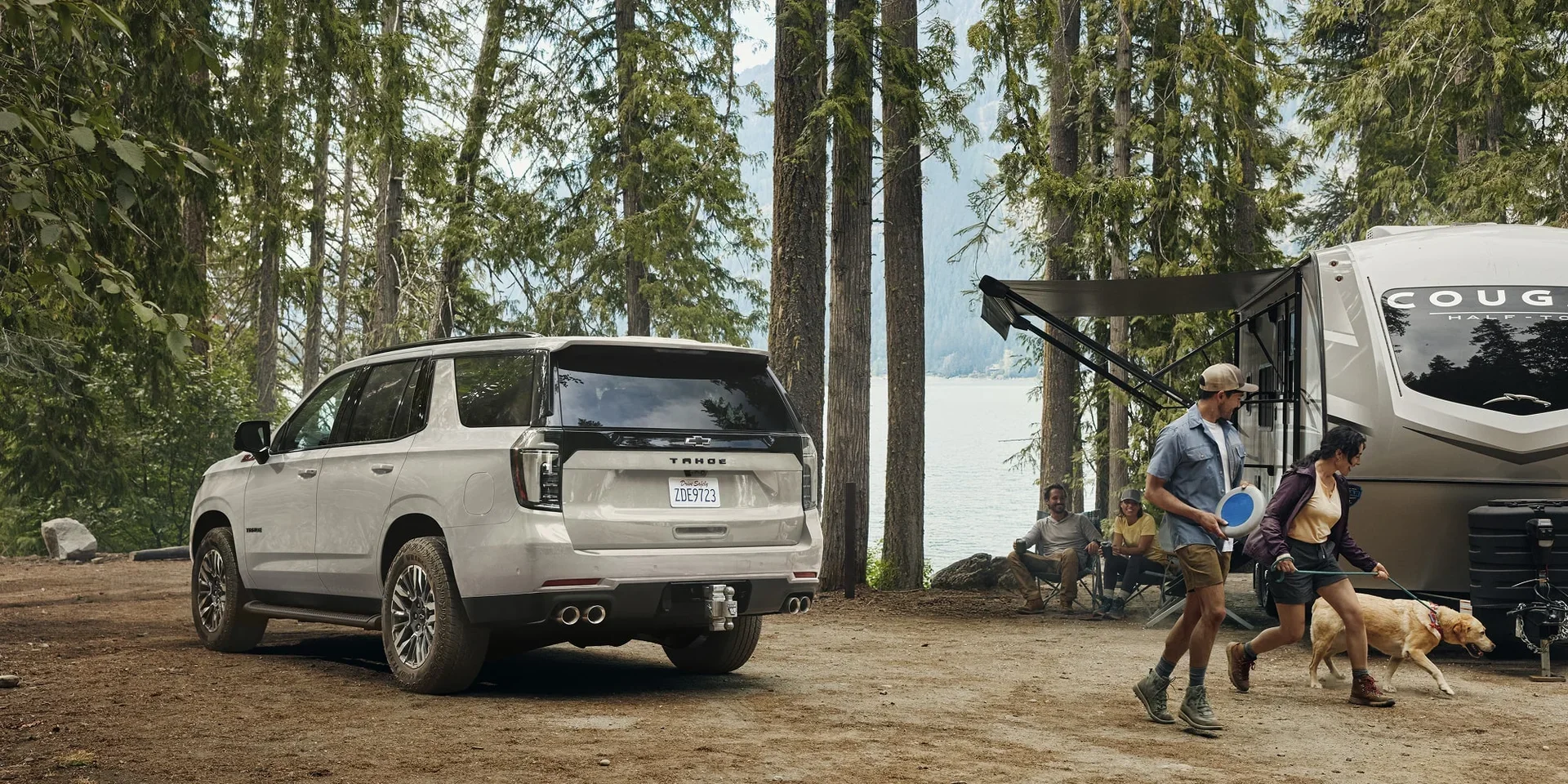
For frequent full-family travel, look closely at larger options such as the Tahoe or Suburban. These SUVs are designed for bigger passenger loads and can offer the confidence of a more substantial vehicle on the highway. The trade-off is simple: more room usually means a larger vehicle to maneuver, higher operating costs, and a greater need to consider where you park at home, work, and school.
Do not judge a third row only by whether it exists. Sit in it. Check knee room, headroom, and how easily children or adults can get back there. A third row that is fine for occasional young passengers may not be comfortable for teenagers on a drive to the Gulf Coast.
Measure Cargo Space Around Your Real Life
Cargo room is where many family SUV decisions become clearer. Think beyond the number shown in a brochure. Bring a stroller measurement, a sports bag, or even a mental picture of your usual grocery run. Then ask how much room remains when every seat you need is occupied.
A compact SUV may hold plenty of gear with the rear seats folded, but that does not help if those seats are holding children on a family trip. If you expect to use all three rows, inspect the cargo area behind the third row. It may be enough for backpacks and a few grocery bags, while a longer SUV can provide more room for luggage and bulky items.
Also pay attention to the details that make loading less frustrating: a low lift-over height, a wide tailgate opening, split-folding rear seats, underfloor storage, and an available hands-free liftgate. They seem small during a quick walk-around, but they matter when you are holding a toddler or loading groceries in the rain.
Put Safety Features in Context
Families should expect a strong foundation of safety engineering, but the right features depend on how and where you drive. Look for tools that support your awareness without replacing it. Forward collision alert, automatic emergency braking, lane-keeping assistance, lane departure warning, blind-zone alert, rear cross-traffic alert, and a rear camera can all be useful in daily traffic.
For parents, rear-seat reminders and easy-to-reach LATCH anchors can be just as meaningful as a long technology list. If you use child seats, install one during your test drive if the dealership allows it. Check whether the seat fits securely, whether the doors open wide enough, and whether an adult can buckle a child without twisting awkwardly.
Visibility deserves its own test. Adjust the driver’s seat, look through the rear window, and try the mirrors. A larger SUV may offer a commanding view forward, but thick roof pillars or a tall rear end can make parking more challenging. Camera systems help, yet they work best alongside good natural visibility.
Choose a Size That Feels Comfortable Every Day
A family SUV should feel reassuring on a road trip and manageable at the grocery store. This is where a test drive matters more than a spec sheet. Take turns, merge onto a highway, back into a parking space, and drive over a rougher section of road if possible.
A compact or midsize SUV can be the sweet spot for families that want efficient daily transportation with flexible cargo space. A three-row midsize SUV often suits households that need occasional extra seating. Full-size SUVs make sense when passenger space, towing capability, and long-distance comfort are regular needs rather than rare exceptions.
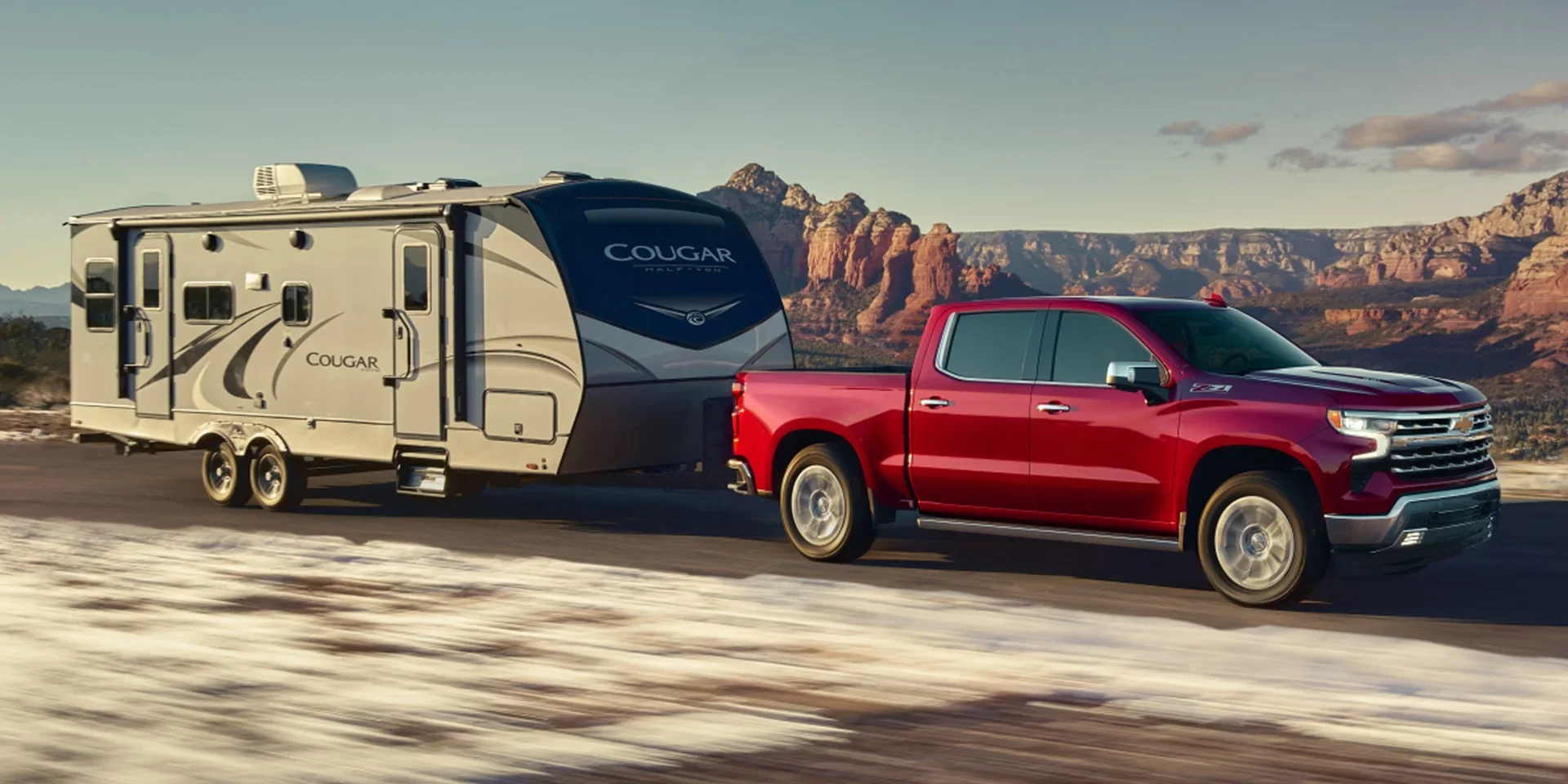
Think about the roads you drive most. A household that spends most of its time in Florence, Muscle Shoals, Sheffield, or Tuscumbia may value easy parking and confident city handling. A family that frequently travels with a boat, camper, or utility trailer should discuss towing equipment, trailer weight ratings, and the added stability of a larger SUV. Never assume a vehicle can tow what you own just because it has a hitch.
Consider Gas, Electric, and Your Driving Pattern
The powertrain decision should be based on your routine, not just a trend. A gas-powered SUV remains a sensible choice for many families, especially those who take frequent long trips, tow regularly, or prefer the familiarity of quick refueling.
For EV-curious households, the Chevrolet Equinox EV and Blazer EV bring a different set of questions. Can you charge at home? How far do you typically drive in a day? Are you comfortable planning charging stops on longer trips? Home charging can make an EV especially convenient for predictable commutes and errands, while road-trip habits may point some shoppers toward a gas SUV or a different ownership plan.
If you are comparing models, ask about usable charging options, cold-weather range considerations, and cargo space. An EV can be a strong family vehicle, but it should fit your parking setup and travel style as comfortably as it fits your passengers.
Look Beyond the Purchase Decision
The right SUV is also one you can comfortably maintain and keep for years. Before choosing, consider fuel or charging needs, insurance, tires, service intervals, and the features that may affect long-term convenience. A larger vehicle with more capability can be worthwhile, but only if that capability earns its place in your life.
New and used SUVs can both be smart choices. A new vehicle may appeal to shoppers who want current technology, full warranty coverage, and their preferred configuration. A used SUV can offer excellent value, particularly when you focus on condition, maintenance history, mileage, and whether its seating and cargo layout still meet your needs. Certified pre-owned options may be worth considering for families who want added confidence in a used vehicle.
Financing should support the rest of your household budget, not strain it. Consider the full ownership picture and take time to compare terms, vehicle condition, and expected use. A respectful conversation with a financing team can help you understand the options without rushing the decision.
Test Drive It Like a Parent, Not a Passenger
A short drive around the block rarely tells the whole story. Give yourself enough time to use the SUV as your family would. Move the seats, check the cup holders, connect your phone, open the cargo area, and see whether the climate controls are easy to use from the front and rear seats.
Bring the people who will ride in it most often when you can. Children will quickly point out whether they can climb into the third row, reach a charging port, or see clearly from their seat. Their input should not make the entire decision, but it can reveal practical issues that adults overlook.
The family SUV you choose should feel less like a compromise and more like dependable help on busy days. When you are ready, compare new and used Chevrolet SUVs in person, ask straightforward questions about seating, safety, capability, and financing, and choose the vehicle that makes your next ordinary Tuesday feel a little easier.
Frequently Asked Questions
Is all-wheel drive worth it for a family SUV in north Alabama?
It can be. All-wheel drive adds traction on rain-slick roads, gravel lake access roads, and the occasional icy winter morning in the Shoals. If most of your driving is paved, in-town errands, front-wheel drive with good tires may be enough. Think about where you drive most, including boat ramps and back roads around Killen or Rogersville, before deciding.
Which Chevrolet SUVs offer a third row for bigger families?
The Chevrolet Traverse, Tahoe, and Suburban all offer three rows of seating. The Traverse is a midsize crossover that is easier to maneuver, while the Tahoe and Suburban are full-size SUVs with more cargo room and greater towing ability. Sit in the third row of each during a visit to Bentley Chevrolet of Florence to see which fits your family.
Can a family SUV tow a boat for weekends on the Tennessee River?
Many can, but the right choice depends on your boat and trailer. A properly equipped Traverse can handle lighter loads, while the Tahoe and Suburban are built for heavier boats and campers. Always compare the loaded trailer weight and the passengers and gear inside against the ratings for the exact SUV, and confirm it has the right hitch and wiring.
Can I trade in my current car when buying a family SUV in Florence?
Yes. Bentley Chevrolet of Florence accepts trade-ins, and you can request an online value estimate before you visit. Bring your title or payoff details, registration, service records, and all keys. Applying your trade value toward a new or used SUV can reduce the amount you need to finance and make moving up to a larger vehicle easier.