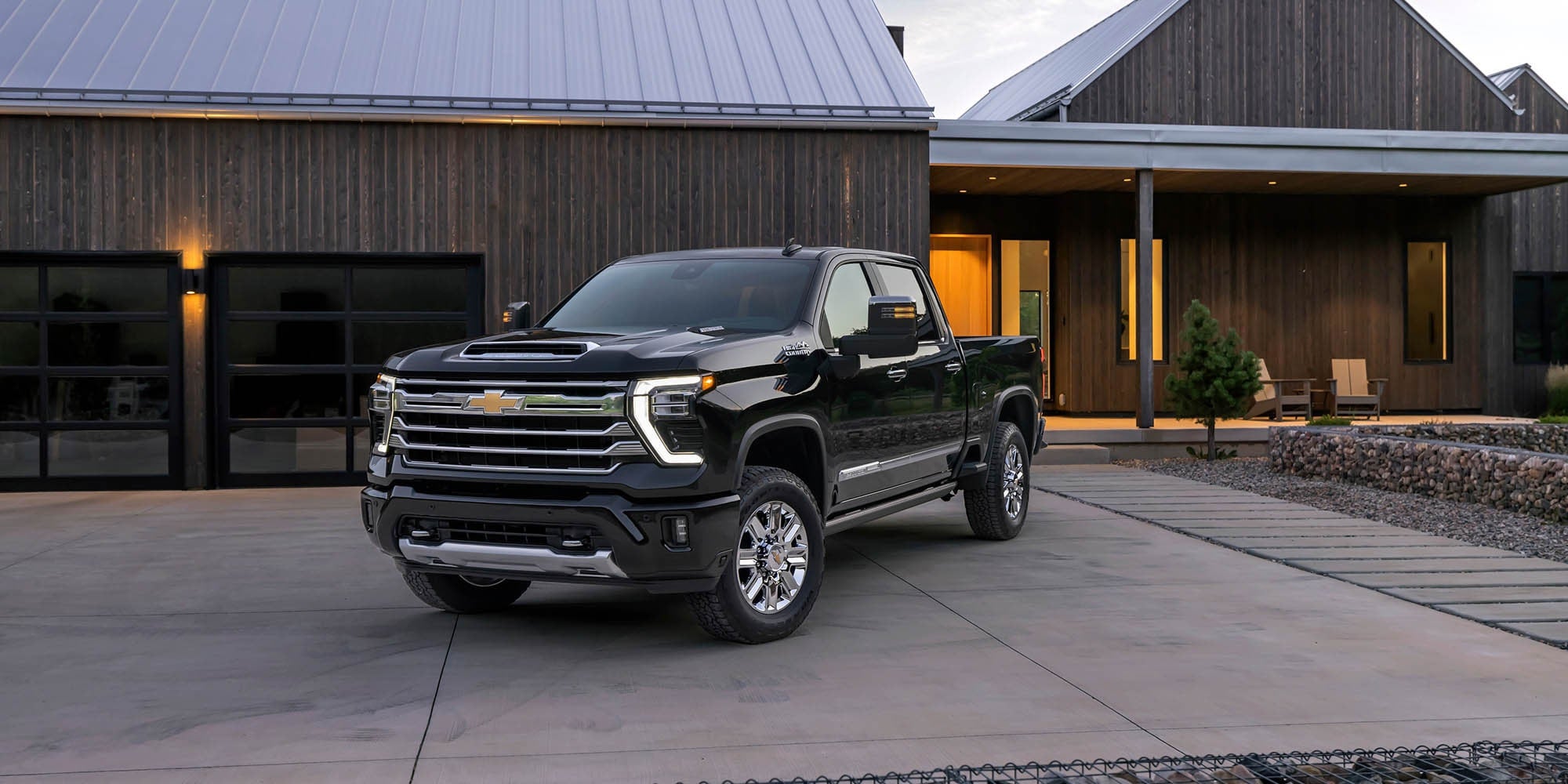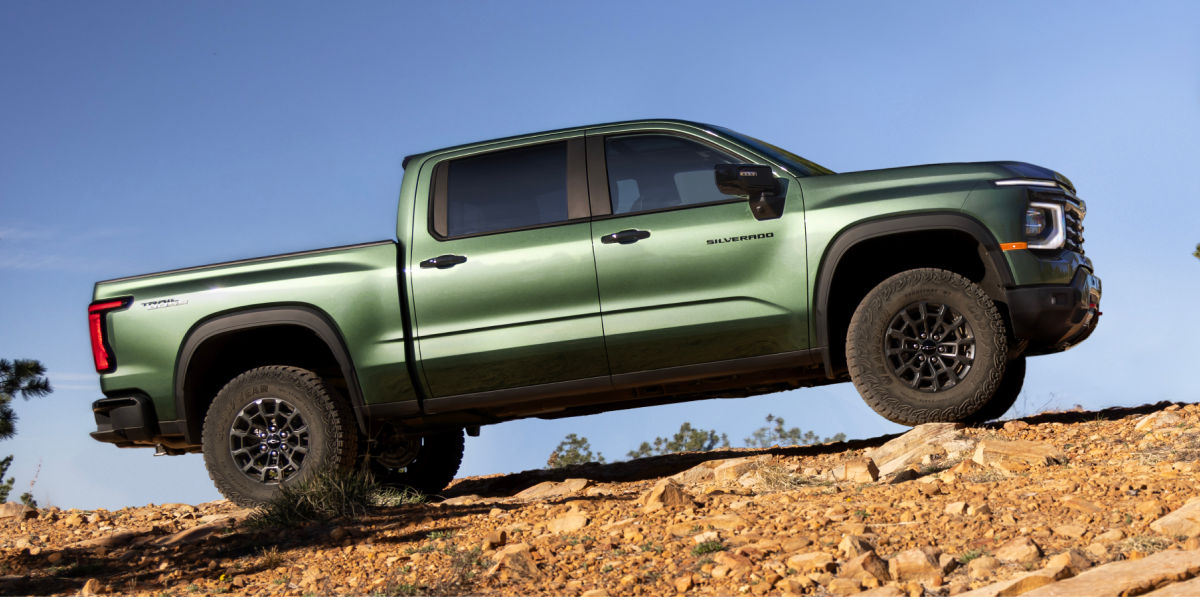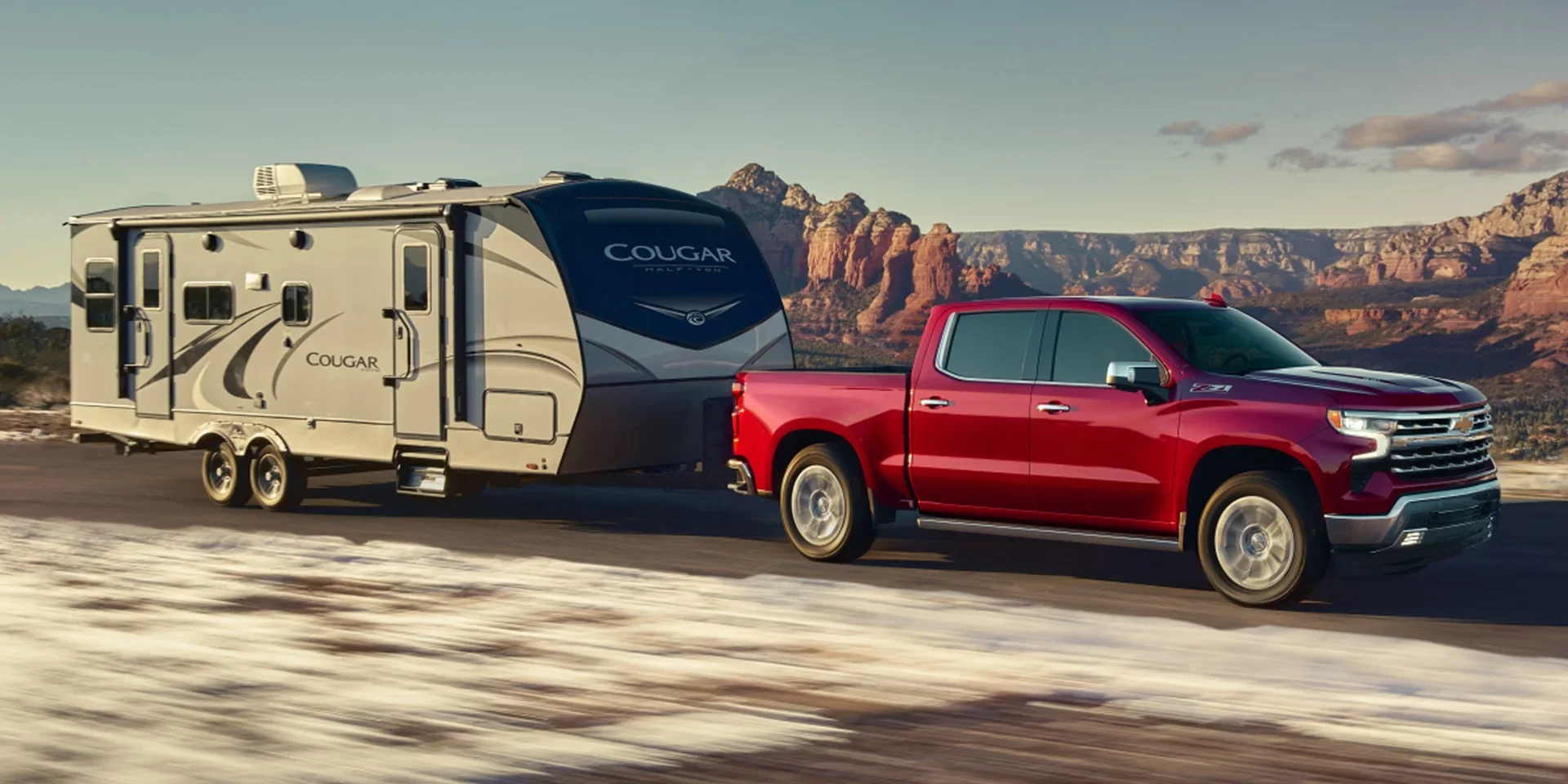




A Silverado may be the truck that fits your workweek, or an Equinox may be the SUV that makes school runs easier. But the vehicle is only half the decision. Knowing how to finance a Chevy means choosing a payment, loan term, and ownership plan that still feels comfortable long after you leave the lot.
For drivers across the Shoals, the best financing choice is rarely about chasing the lowest monthly payment alone. It is about matching the right Chevrolet to your budget, driving habits, trade-in, and plans for the next several years.
Start With the Vehicle You Actually Need
Financing goes more smoothly when you narrow down what the vehicle needs to do before discussing loan options. A Silverado 1500 may make sense for towing, job sites, or regular hauling. A Colorado can be a more practical fit for drivers who want truck capability with an easier-to-manage size. Families comparing an Equinox, Traverse, Tahoe, or Suburban should think about passenger room, cargo needs, and how long they expect to keep the vehicle.
For EV-curious shoppers, the Equinox EV, Blazer EV, and Silverado EV add another layer to the decision. Your home charging situation, daily mileage, and access to public charging all matter. An EV can be a great fit, but it should fit your routine rather than simply look good on paper.
New and used vehicles can both be smart financing choices. A new Chevy may offer current technology, full factory coverage, and available manufacturer financing programs. A used Chevrolet can offer strong value and more choices within a particular payment range. Certified pre-owned models can be worth considering when you want added inspection standards and warranty coverage without buying new.
Build a Monthly Budget That Leaves Room to Live
Before applying for a loan, decide what monthly payment works alongside your real household expenses. Include insurance, fuel or charging, maintenance, registration, and any accessories you may need. A payment that looks manageable by itself can become stressful if it leaves no room for emergencies, family plans, or routine upkeep.
It also helps to think in terms of the total financing picture rather than payment alone. A longer term can lower the payment, which may be helpful in the right situation. The trade-off is that you may pay interest for longer and could owe more than the vehicle is worth for part of the loan. A shorter term generally means a higher payment but can reduce total interest and help you build equity sooner.
There is no one right answer. If you keep vehicles for many years and have room in the budget, a shorter loan may be appealing. If preserving monthly flexibility matters more, a longer term may be reasonable. The goal is to understand the trade-off before signing, not after.
Understand What Lenders Look At
Your credit profile affects the loan offers you may receive, including interest rate, term options, and down payment expectations. Lenders commonly review your credit history, income, current debts, and the vehicle being financed. A strong credit history can help, but shoppers with less-than-perfect credit still have options.
If you are unsure where you stand, reviewing your credit report before shopping can be useful. Look for incorrect information, missed payments you may be able to resolve, and the total amount of monthly debt already in your name. Avoid opening several new credit accounts shortly before applying for an auto loan unless there is a clear reason to do so.
Bring a realistic view of your income and monthly obligations into the conversation. Honest information gives the finance team a better chance to identify terms that fit your situation. A good dealership should explain your options clearly, without making you feel pressured to choose a payment that does not work for your family.
A co-buyer can change the conversation
For some buyers, applying with a qualified co-buyer may strengthen the application. This can be helpful for first-time buyers or those rebuilding credit. Still, a co-buyer is taking on real responsibility for the loan. Both people should understand the payment, term, and what happens if circumstances change.
Use Your Down Payment and Trade-In Wisely
A down payment can reduce the amount you finance, which may lower the payment and the interest paid over the life of the loan. It can also help create equity sooner, particularly if you choose a longer loan term. The amount does not have to be the same for every buyer. What matters is balancing a useful upfront contribution with the cash you need to keep available.
A trade-in can work similarly. Knowing your current vehicle's condition, mileage, service history, and payoff amount helps you enter the process prepared. If you still owe money on your trade, ask how that balance will be handled in the new financing agreement.
Be especially careful if the payoff is higher than the trade-in value. That difference may need to be paid separately or included in the new loan. Rolling it forward can be necessary in some cases, but it increases the amount financed. A straightforward conversation about the numbers helps prevent surprises.
How to Finance a Chevy: Compare the Full Offer
When you review a finance offer, ask about the annual percentage rate, loan term, amount financed, and expected payment. These pieces work together. Two offers can have similar monthly payments but very different total costs because of the interest rate or number of months financed.
You should also ask whether the offer includes optional protection products, such as a vehicle service contract, GAP coverage, or protection for tires and wheels. Some buyers find certain products valuable, especially when they drive many miles or finance most of the vehicle's value. Others may decide they do not need them. The right choice depends on your coverage, driving habits, and tolerance for unexpected repair costs.
Take time to read the contract before you sign. If a term is unclear, ask for an explanation in plain language. You deserve to know what you are agreeing to, including when payments begin, whether there is a prepayment penalty, and how to make payments after the purchase.
Consider Manufacturer Offers Alongside Outside Financing
Many shoppers arrive with a bank or credit-union preapproval, and that can be a useful benchmark. It lets you understand a possible rate and payment before choosing a vehicle. It does not mean you should stop there, though. Dealer-arranged financing and current Chevrolet programs may offer a better fit depending on the model, term, credit qualifications, and available incentives.
The practical approach is to compare apples to apples. Look at the same down payment, term length, and vehicle when evaluating offers. A lower rate is meaningful, but only if the rest of the loan structure makes sense too.
For shoppers considering a new Chevy, manufacturer offers can change over time. Ask which programs apply to the specific vehicle you are considering, rather than relying on an old advertisement or a payment estimate from a different trim level.
Come Prepared, Then Ask Direct Questions
Having your documents ready can make the process easier. Most buyers should expect to provide a valid driver's license, proof of income, proof of residence, insurance information, and trade-in details if applicable. Requirements can vary by lender and individual circumstances.
Before moving forward, make sure you can answer a few basic questions: How much are you putting down? What is the total amount financed? How long is the loan? What is the APR? Are any optional products included? What happens if you pay extra toward the principal?
These are not difficult questions, and you should never feel embarrassed asking them. Financing is a major part of the vehicle purchase, not paperwork to rush through at the end.
Take the Next Step at Your Own Pace
The right Chevy financing plan should support your life in Florence, Muscle Shoals, Sheffield, Tuscumbia, or wherever the road takes you. Start by browsing new and used Chevrolet options, gather your trade-in and budget information, and complete a finance application when you are ready.
At Chevrolet of Florence, our family has served North Alabama drivers for generations with the belief that customers deserve respect and honesty. Bring your questions, your goals, and your real-world budget. We will help you look at the options so you can choose a Chevy and a financing plan that feels right for the road ahead.
Frequently Asked Questions
Can I finance a Chevy if I am self-employed or new to my job?
Often, yes, but you may need extra paperwork. Self-employed buyers are commonly asked for tax returns, bank statements, or other proof of steady income, while buyers new to a job may need an offer letter or recent pay stubs. Ask the Bentley Chevrolet finance team which documents will help before your visit so your application moves smoothly.
Where can I see current Chevrolet financing offers in Florence, AL?
Bentley Chevrolet of Florence lists current Chevrolet offers and new vehicle specials on its website. Manufacturer programs change regularly and often apply only to certain models, trims, and terms, and they depend on credit approval. Check the offer details for the exact vehicle you want, then ask the finance team to confirm what applies before you compare it with outside financing.
Is a shorter loan better for a truck I plan to keep for years?
A shorter loan usually means a higher monthly payment but less interest overall, and you build equity faster. That can be appealing if you plan to keep a Silverado or Colorado for a long time and tow with it every summer. A longer term can ease the monthly budget. Compare the total cost of both options side by side before choosing.
How does insurance affect what I can afford on a new Chevy?
Insurance is part of your real monthly cost, and lenders usually require full coverage on a financed vehicle. Premiums vary by model, trim, driving record, and where you live in the Shoals. Get a quote for the exact vehicle you are considering before you settle on a payment, so the total of your loan, insurance, fuel, and upkeep still fits comfortably in your budget.