


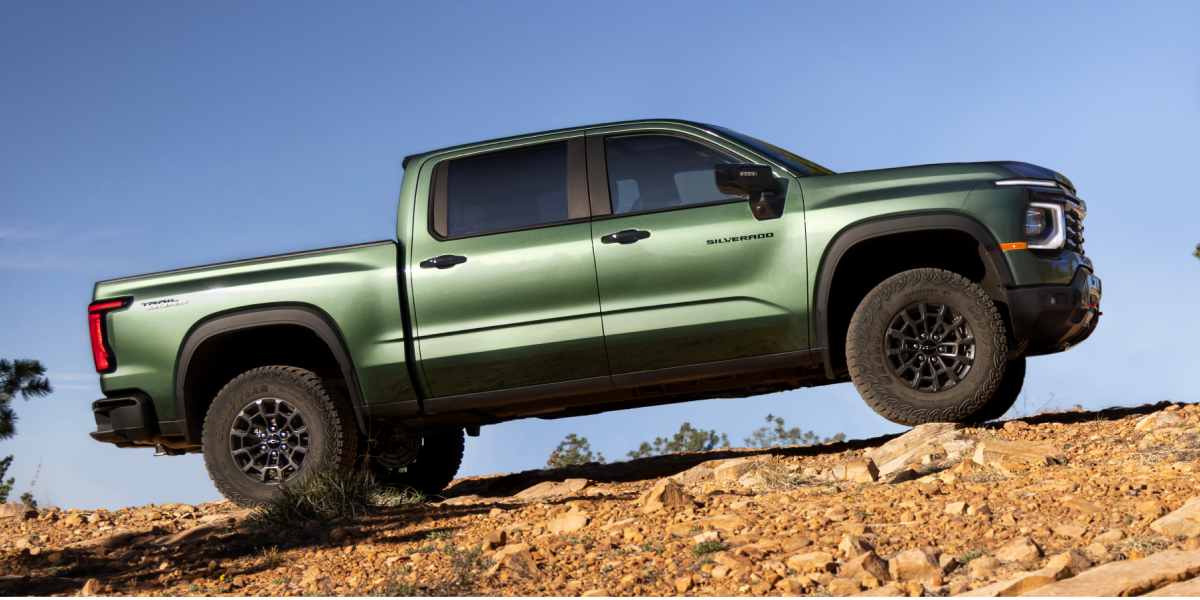
Searching for used cars in Florence, Muscle Shoals or Sheffield can feel like reading a foreign language. Every listing shows a model, a mileage and a photo, but very little tells you how the vehicle was treated. This guide shows you how to read a history report, judge condition with your own eyes and decide what a vehicle is worth to you, so you walk onto the lot with a plan instead of a hunch.
Used Cars Start With the Story Behind the Vehicle
Every used vehicle has a past, and the past explains most of what you will feel on the road. Before you fall for a color or a trim level, ask where the vehicle came from. Was it a one-family vehicle that sat in a garage, a commuter that crossed the river every morning, or a work truck that pulled a trailer most weekends? None of those stories is automatically bad. They simply point to different kinds of wear.
Shoals drivers have a few local factors to keep in mind. North Alabama summers are hot and humid, so rubber parts, batteries and cooling systems work hard. Short trips around town are tougher on a vehicle than steady highway miles. Gravel roads out toward the county lines can leave their mark on suspension parts. Knowing the likely story helps you ask better questions.
The rest of this guide follows the order a careful buyer works in. Start with the paperwork, then walk the vehicle, then drive it, and only then talk about value. That order keeps feelings out of the early decisions. If you want real examples to practice on, browse used cars at Bentley Chevy in Florence and keep a few listings open as you read.
How to Read a Vehicle History Report
A history report is the closest thing a used vehicle has to a résumé. It pulls together title records, reported accidents, service entries and ownership changes under the vehicle identification number. Ask for it early, and read the whole thing rather than skimming for a green checkmark. Here is what to look for:
- Title status. A clean title is what you want. Brands such as salvage, rebuilt or flood damage deserve a serious conversation before you go any further.
- Accident and damage entries. A minor entry is not always a deal breaker, but ask what was repaired and who did the work.
- Ownership changes. Many owners over a short stretch can signal a vehicle that kept disappointing people. A long single ownership often points to steady care.
- Service entries. Regular oil changes and scheduled maintenance show an owner who paid attention.
- Odometer readings. Readings should climb steadily. Sudden jumps or drops are worth asking about.
CarBravo, the certified used program backed by GM, makes this step simple. Its benefits page says, "Every vehicle comes with a free CARFAX® Vehicle History Report so you can feel confident knowing your vehicle’s past." Even when you shop a vehicle outside a certified program, you can ask the sales team for a report and compare what it says with what you see in person.
A report is a record of what was reported, not a full inspection. Some repairs never make it into a database, especially work done at home or at a shop that does not report. Treat the report as the first filter and your own inspection as the second.
Check for Open Recalls Before You Get Attached
A recall is a safety repair that the manufacturer pays for, and a used vehicle can still have an open one if no one has taken it in. The federal government makes this easy to check. The National Highway Traffic Safety Administration explains that when you search by license plate or VIN, "you’ll learn if a specific vehicle needs to be repaired as part of a safety recall." The search takes a few minutes and costs nothing.
Certified programs add their own layer. CarBravo states that "Before a CarBravo vehicle is listed or sold, GM requires dealers to complete all safety recalls." The same page still encourages shoppers to check the recall status of any vehicle themselves, and that is good advice for every purchase. Look up the VIN yourself, write down the result and keep it with your paperwork.
If you buy a vehicle that has an open recall, ask for the repair to be completed before you take delivery. A Chevrolet dealer can handle the repair, and the service department can tell you whether the work has been done. You can learn more on the Bentley Chevy service department page.
Judge Condition With Your Eyes, Hands and Nose
The report tells you what was recorded. Condition tells you what is true today. Plan to spend real time walking around the vehicle in good light, ideally in the daytime, and do not rush. Use this table as your guide.
| Where to look | What to check | What it can tell you |
|---|---|---|
| Body panels | Look down each side at an angle for waves or paint that does not match | A past repair |
| Panel gaps | Check the gaps between the hood, fenders and doors | Uneven gaps can follow a repair; they should look even |
| Tires | Look at all four for uneven wear and whether they match | Alignment or suspension trouble, or an owner who kept up with tires |
| Glass and lights | Inspect the glass for chips and cracks, and test every light | Small repairs to plan for |
| Underneath (trucks and SUVs) | Look for rust, drips and bent or scraped components | Hard use or leaks |
| Cabin | Sit in every seat, press the buttons and run the heat and the air conditioning | In the Shoals, a weak air conditioner is a real problem for most of the year |
| Smell | Notice a musty smell or a heavy air freshener | Water may have gotten in, or something may be covered up |
| Electronics | Pair your phone, try the touchscreen and speakers, and test the windows, locks, mirrors and seat controls | Small electrical problems that are easy to overlook on a short visit |
| Under the hood | Look for clean fluids at the proper levels, belts without cracks and a battery without crusty buildup | How the vehicle was cared for |
You do not need to be a mechanic. A spotless engine bay is not always a good sign, since steam cleaning can hide leaks, but a bay that looks cared for rather than neglected tells you something.
Take a Test Drive That Tells You Something
A short loop around the block will not reveal much. Plan a drive that matches your real life. If you commute on the highway, get on the highway. If you spend most of your time in town, include stop and go traffic, a few turns and a hill if you can find one. During the drive, turn the radio off and listen. Notice how the vehicle starts, how it shifts and how it brakes. Watch for the following:
- Pulling to one side when you let go of the wheel lightly on a straight road.
- Vibration in the wheel, the pedals or the seat at highway speed.
- Clunks or rattles over bumps and railroad crossings.
- Hesitation when you accelerate, or shifts that feel harsh or slow.
- Warning lights that stay on after the engine starts.
Try the parking aids, the cameras and the driver assistance features if the vehicle has them. Back into a space and pull out again. These tasks show you how the vehicle fits your daily routine, which matters as much as any spec on a window sticker.
Mileage and Value: How to Weigh Them
Once you know the history and condition, you can think about the numbers. Mileage and value are related, but neither one tells the whole story by itself.
What mileage really tells you
Mileage is the number buyers check first, but it is only one piece of the puzzle. CarBravo says it plainly in its guide on the topic: mileage matters, but it is not everything. The same guide notes that "some vehicles can last up to 200,000 miles if properly maintained." Care often counts for more than the odometer.
Think of mileage in relation to age. Divide the miles by the number of years the vehicle has been on the road to see whether it was driven more or less than a typical owner would drive. A vehicle with unusually low miles for its age may have sat unused, which carries its own concerns, such as aging seals and tires. A vehicle with high miles may have lived mostly on the highway, which is generally gentler than city driving. The CarBravo mileage checklist suggests that you "Check odometer consistency in the vehicle history report." It also suggests reviewing maintenance records for mileage-based services. A well-documented, higher-mileage Chevrolet can be a smarter buy than a low-mileage vehicle with no records at all.
Understanding value without guessing
Value is not a single number. It is the point where condition, history, mileage, features and your needs meet. To judge value without leaning on a sticker, compare vehicles that are truly alike. Match the model, the trim, the drivetrain and the model year, then look at mileage and condition side by side. Online guides from established publishers can give you a sense of the market range, and your own inspection tells you where a specific vehicle falls within it.
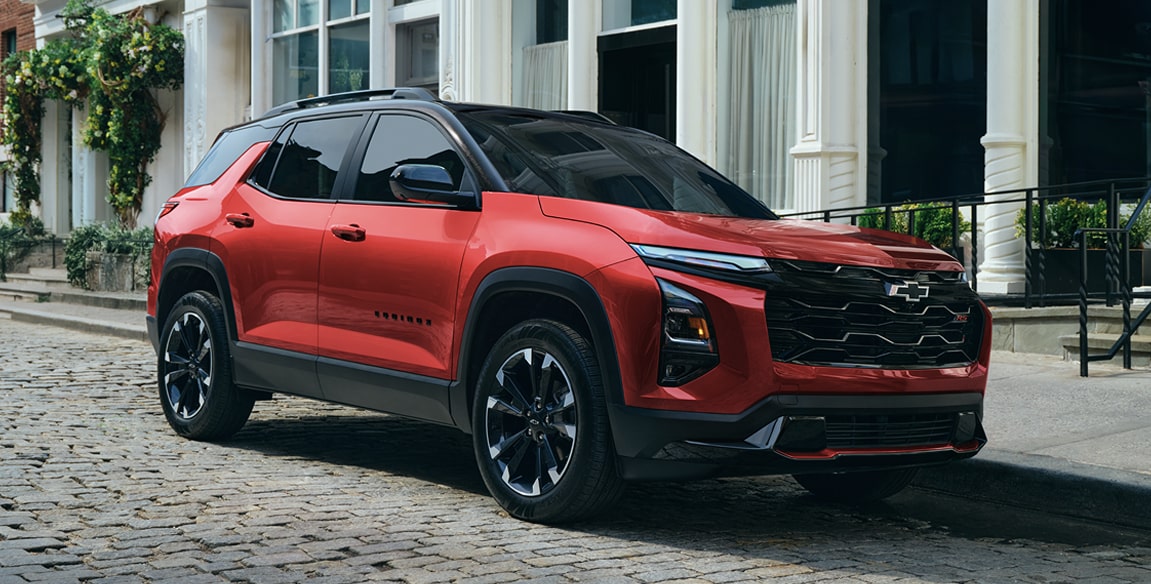
Features deserve a fair look too. A truck with the right towing equipment is worth more to a boat owner on Wilson Lake than to someone who never tows. A compact SUV such as the Trax may suit a Muscle Shoals commuter better than a larger vehicle that costs more to fuel. If a nearly new vehicle is close in cost, compare it with the new Chevrolet inventory in Florence. Budget for the whole experience, not just the purchase: insurance, fuel, tires and routine maintenance all belong in the picture. If you plan to finance, read how the process works on the Bentley Chevy auto finance page before you visit.
Certified or Standard Used: What the Difference Means
Not every used vehicle goes through the same process. A standard used vehicle is sold on its own merits, and you do the evaluating. A certified vehicle has been through a program with defined steps. At Bentley Chevy, that program is CarBravo, which is backed by GM.
The program is built around inspection. CarBravo reports that its certified multi-point inspection checklist "contains a total of 126 items," covering the vehicle history, engine, transmission, steering, climate control and safety systems, tires and brake pads. Certified Service technicians perform the inspection, and every certified vehicle comes with a standard limited warranty. Read the warranty details with the sales team so you know exactly what is covered and for how long.
There is also a safety net if you change your mind. CarBravo says, "Bring it back within 10 days or 500 miles" and exchange it for another CarBravo vehicle. Ask a team member how that exchange works at the dealership so you understand the terms before you sign.
Certified does not mean you can skip your own checks. It means you start from a stronger place. You still read the report, drive the vehicle and ask questions, but the program does part of the screening for you. To see what qualifies today, look at the certified pre-owned Chevrolet vehicles at Bentley Chevy.
Know Your Rights as a Used Vehicle Shopper
Federal rules protect you when you buy from a dealer. The Federal Trade Commission requires most dealers to post a Buyers Guide on every used vehicle they offer. According to the FTC, the Buyers Guide tells you "whether the vehicle is being sold "as is" or with a warranty," and it reminds you of several smart habits. It tells you to get all promises in writing, and to ask to have the car inspected by an independent mechanic before you buy.
That last tip is worth taking seriously. A neutral inspection gives you an unbiased opinion on a vehicle you plan to live with for years. A dealer who is confident in a vehicle will usually welcome the request. If someone resists the idea, treat that as information. Read the Buyers Guide before you talk about anything else, and keep it with your paperwork after the sale.
Ready to Look at Used Cars in Florence
You now have a clear path: read the history, check recalls, inspect the vehicle, drive it like you live in it and weigh its value against what you need. A little preparation makes the visit smoother. Bring the following so the team can help you quickly:
- A valid driver license and proof of insurance, since you will want to test drive.
- A written list of must-have features and a separate list of nice-to-have features.
- Notes on the vehicles you have already seen, including what you liked and disliked.
- A phone with the recall lookup and your preferred guide ready to use.
- Any questions about financing or paperwork you want to settle before you decide.
If this is your first time buying from a dealer, our article on what to expect at a car dealership in Florence walks through the visit step by step. To meet the people who serve drivers across the Shoals, including Sheffield and Muscle Shoals, visit the about Bentley Chevy page, or start at the Bentley Chevy homepage. Then pick a few used cars to see in person, bring this guide with you, and ask the team anything that comes up along the way.
Frequently Asked Questions
What should I look at first on a vehicle history report?
Start with the title status, then look at accident entries, ownership changes and service records. Odometer readings should rise steadily over time. A report shows what was reported, so pair it with your own inspection and a test drive.
Does a certified used vehicle still need an inspection from me?
Yes. A certified program such as CarBravo screens the vehicle for you, but you still know your own needs. Read the report, drive the vehicle and ask about the warranty so you understand what is covered.
How do I check a used vehicle for open recalls?
Enter the VIN or license plate on the federal recall lookup at nhtsa.gov and review the result. You can also ask the service department whether recall work has been completed. Write down what you find and keep it with your paperwork.
Is high mileage always a bad sign?
No. Maintenance and driving type matter a great deal, and highway miles are generally easier on a vehicle than city miles. A higher mileage vehicle with clear service records can be a safer choice than a low mileage vehicle with no history.
Should I ask for an independent mechanic to look at a used vehicle?
The FTC Buyers Guide encourages shoppers to ask to have the car inspected by an independent mechanic before they buy. A confident seller will usually welcome that request, and the result gives you a neutral second opinion.
Sources (as of October 23, 2026)
- What is CPO? | CarBravo (as of October 23, 2026)
- Certified Used Cars for Sale Online | CarBravo (as of October 23, 2026)
- Does Car Mileage Matter? | CarBravo (as of October 23, 2026)
- Ownership Benefits | CarBravo (as of October 23, 2026)
- Check for Recalls | NHTSA (as of October 23, 2026)
- Dealer's Guide to the Used Car Rule | FTC (as of October 23, 2026)
The Manufacturer's Suggested Retail Price excludes tax, title, license, dealer fees and optional equipment. Dealer sets final price.