


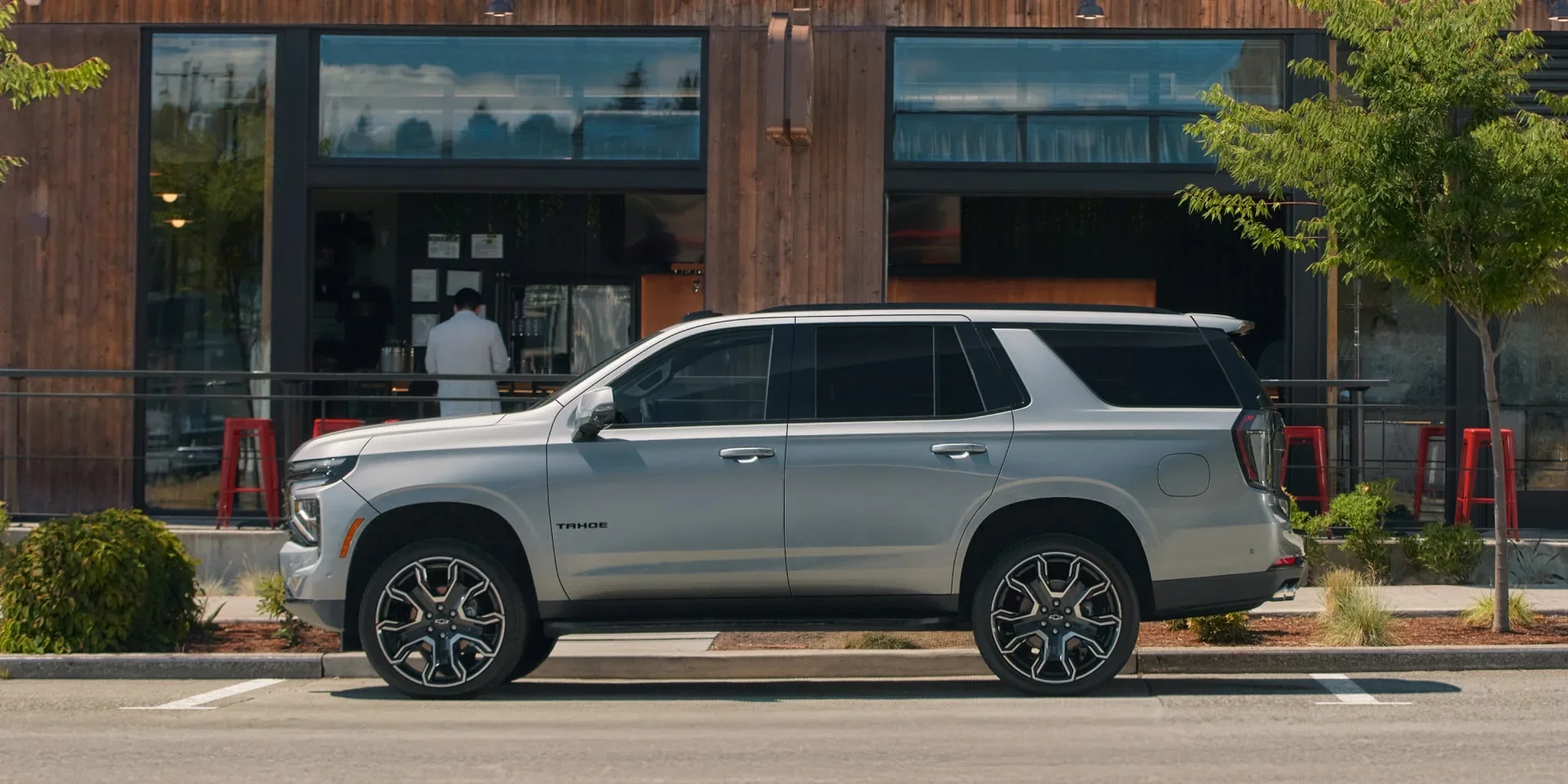
A late-model Silverado, Equinox, Tahoe, or Traverse can feel like the right middle ground: newer features and lower mileage than many used vehicles, without committing to a brand-new vehicle. This Chevrolet certified pre owned guide explains what separates a Certified Pre-Owned Chevrolet from an ordinary used vehicle, where the real value comes from, and what to check before making your decision.
For families and drivers around Florence and the Shoals, the right answer often depends on how you use your vehicle. A weekend towing truck, a three-row SUV for ball practice, and an EV for a daily commute each call for a slightly different buying conversation.
What Chevrolet Certified Pre-Owned Means
A Certified Pre-Owned Chevrolet, often called CPO, is not simply a used Chevy with a dealership inspection. To qualify, a vehicle must meet the program's eligibility requirements, pass a detailed multi-point inspection, and be reconditioned as needed before certification. That inspection is performed by Certified Service technicians and covers the vehicle's major systems and condition.
That process is designed to create more confidence than buying a vehicle "as is." It does not mean a CPO vehicle is brand new or free from normal signs of use. A careful shopper should still look at the tires, paint, cabin condition, service history, and how the vehicle drives. Certification means it met a defined standard at the time it was offered for sale.
A CPO Chevrolet also comes with limited warranty coverage and roadside assistance benefits through the manufacturer program. Exact terms, deductibles, exclusions, transferability, and coverage dates can change by model year and program updates, so ask for the current warranty documents for the specific vehicle you are considering. The coverage clock may be measured from the vehicle's original in-service date, not the day you purchase it.
Why CPO Can Be a Strong Middle Choice
The biggest benefit is peace of mind with more flexibility than a new-vehicle purchase. You may find a late-model vehicle with modern safety technology, smartphone compatibility, available four-wheel drive, or the towing equipment your family needs, while also receiving certification benefits that a typical used vehicle may not include.
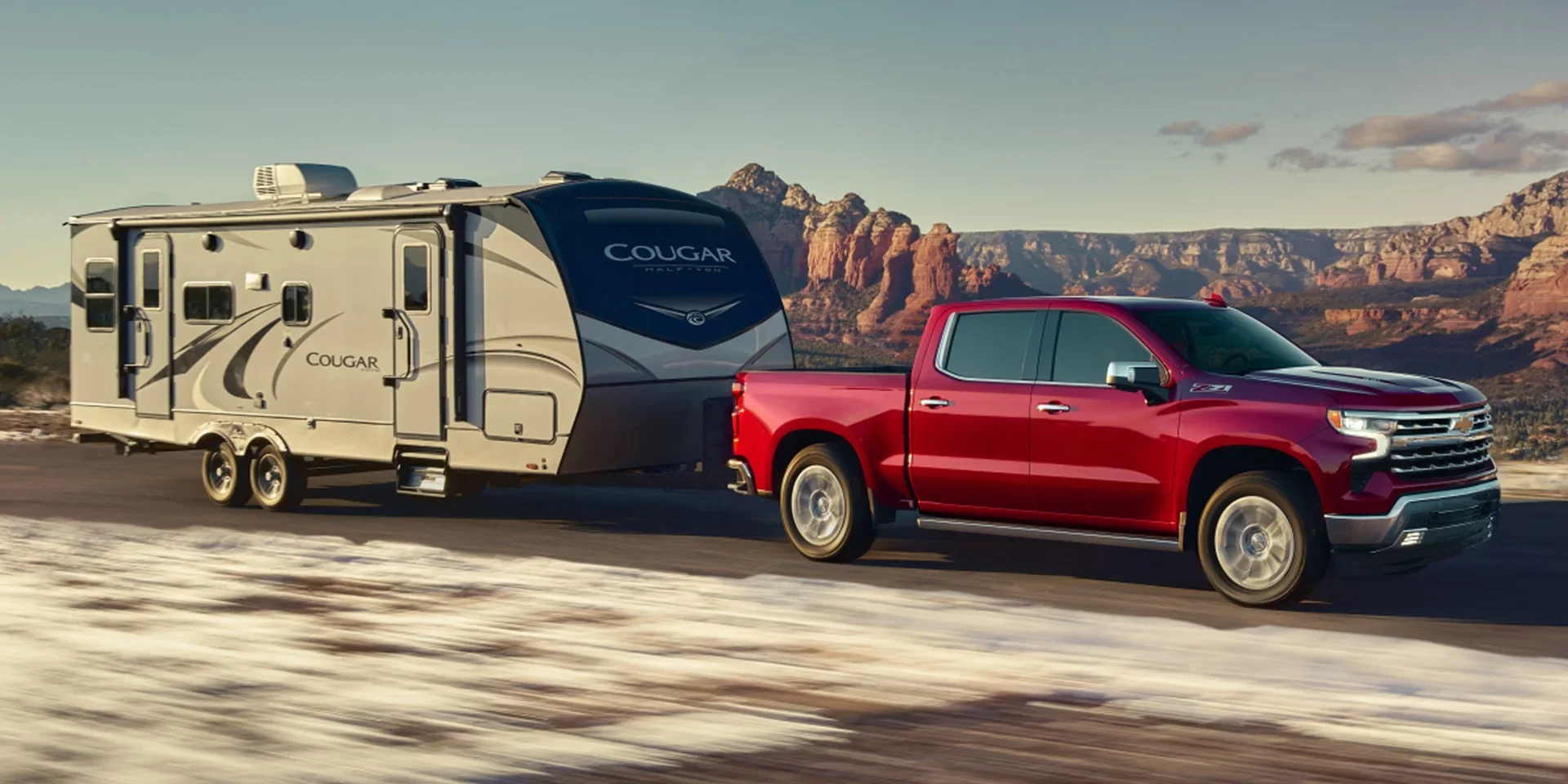
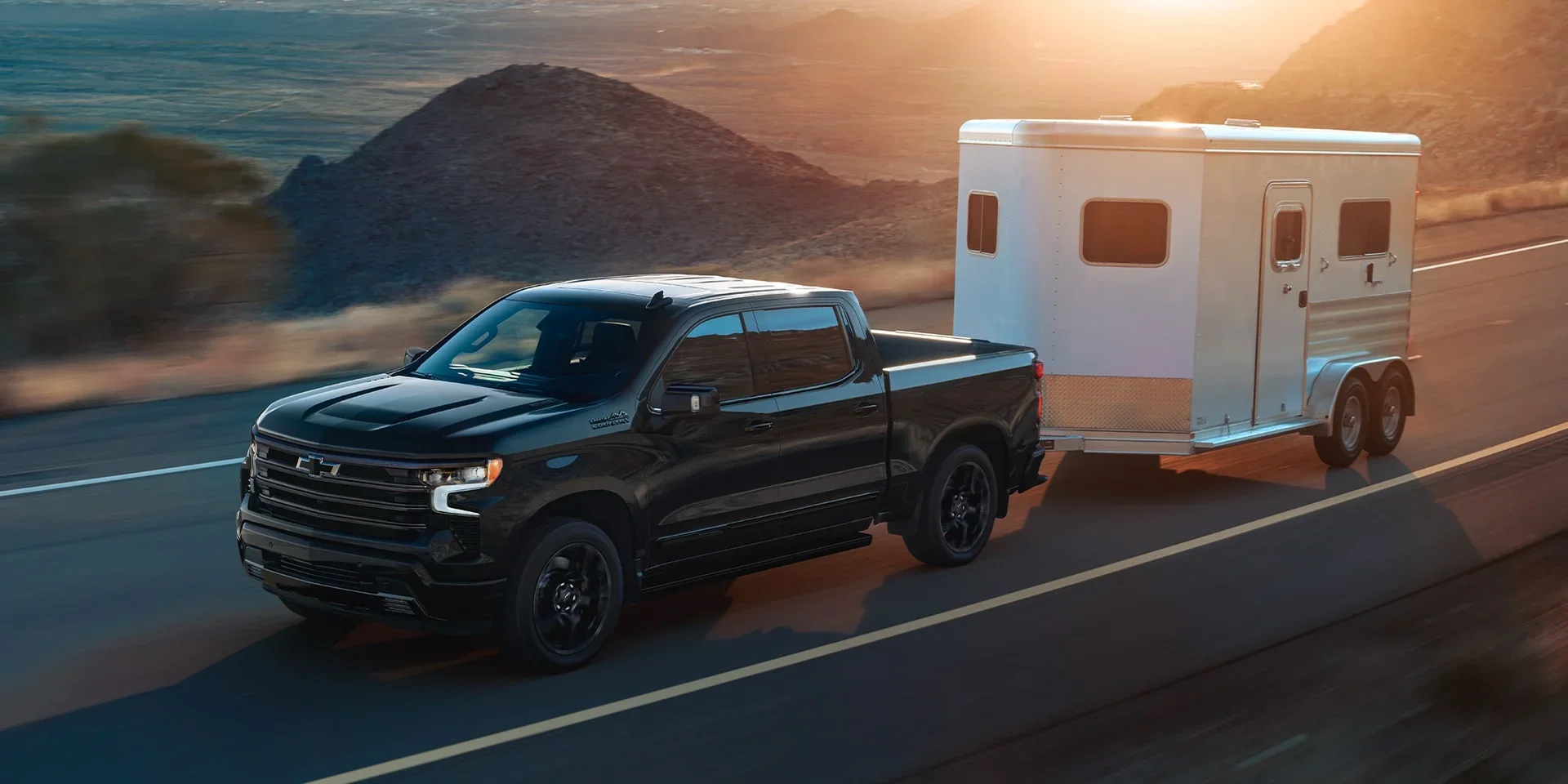
For truck shoppers, a Certified Pre-Owned Silverado 1500 or Colorado can make sense when capability matters but you do not need every newest feature. Pay close attention to cab configuration, bed length, engine, drivetrain, trailering equipment, payload label, and hitch setup. Two trucks with the same name can be equipped very differently.
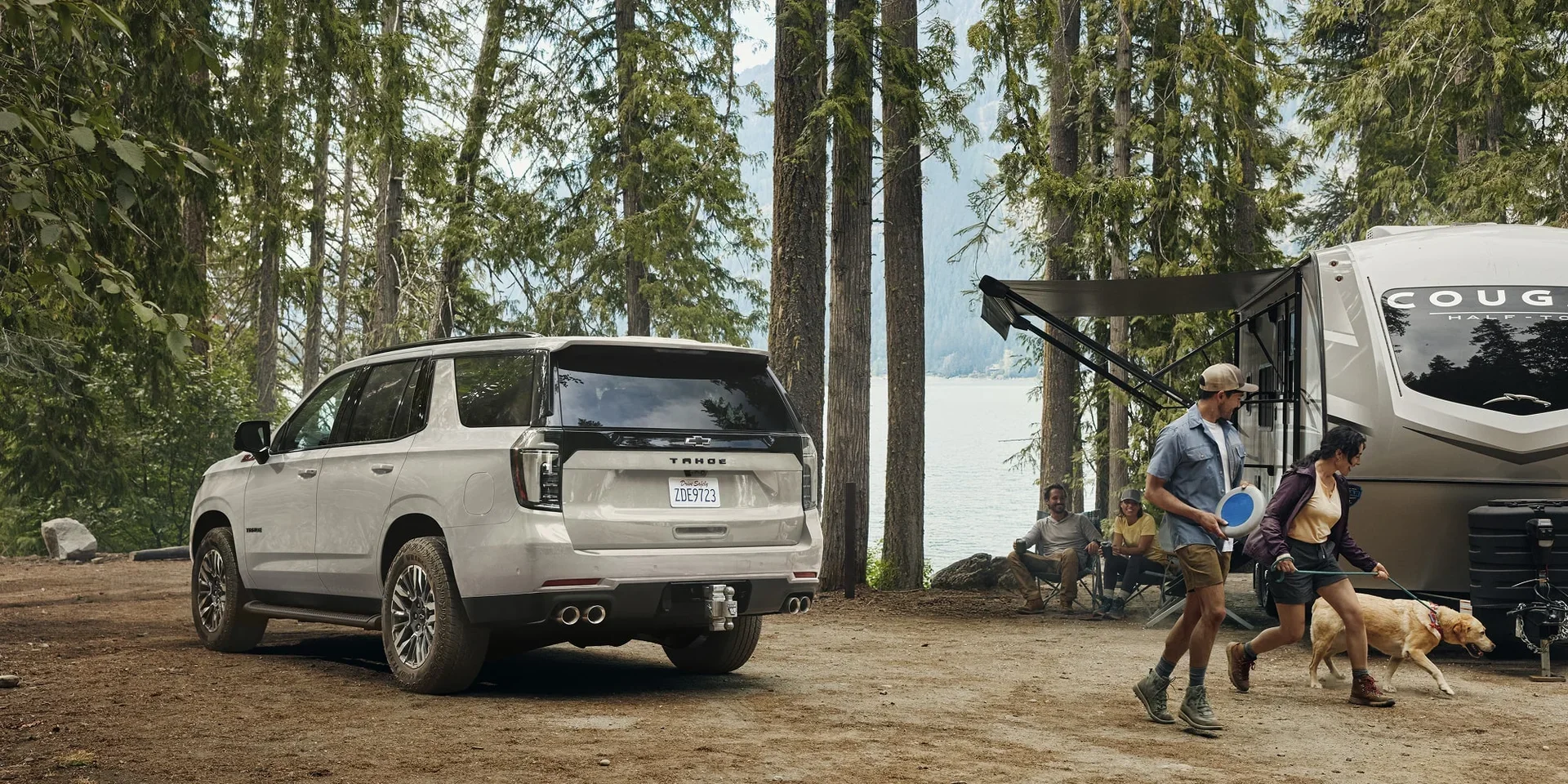
For SUV shoppers, CPO can be especially appealing because family needs evolve quickly. An Equinox may fit a couple with a daily commute and weekend travel. A Traverse or Tahoe can make more sense when third-row room, cargo capacity, or trailering is part of the picture. Certification adds reassurance, but it should not replace a real test drive with the people and gear that will actually use the vehicle.
Certified Pre-Owned vs. Used vs. New Chevrolet
A standard used vehicle may offer the widest selection across ages, mileage levels, and equipment. That can be useful if you have a very specific budget or want an older body style. The trade-off is that warranty coverage and inspection standards can vary widely, so you need to look more closely at condition, maintenance records, and the terms of the sale.
A Certified Pre-Owned Chevrolet sits between used and new. It generally gives you a more recent vehicle, a manufacturer-backed certification process, and limited coverage beyond what a typical used vehicle offers. In return, the selection may be narrower than the full used market, and not every model or vehicle age will qualify.
A new Chevrolet is the best fit for shoppers who want a particular trim, color, capability package, or the latest technology. New also makes sense when you want full factory warranty coverage starting fresh and prefer to know the entire history of the vehicle. If you are deciding between new and CPO, compare the actual vehicles side by side rather than assuming one is always the better value. Equipment, mileage, warranty remaining, and financing terms all matter.
What to Check Before You Buy a CPO Chevrolet
Certification is valuable, but it should make you a more comfortable shopper, not a passive one. Take your time with the vehicle and ask straightforward questions.
First, review the vehicle history report and service records when available. You want to understand previous ownership, reported accidents, maintenance, and title history. A clean report is reassuring, but it is still only one part of the picture.
Next, inspect the items you will live with every day. Look for tire wear, brake feel, windshield damage, seat comfort, cargo-area condition, and working infotainment and climate controls. On a truck, test the tailgate, check the bed, and confirm that the hitch receiver and electrical connections match your towing plans. On an SUV, fold the rear seats and see whether the cargo space works for strollers, groceries, sports equipment, or luggage.
Then take a meaningful test drive. Try city streets, a stretch of highway, and a few turns or rougher surfaces if possible. Listen for unusual noises, check that the steering tracks straight, and make sure the braking and acceleration feel consistent. If you are considering an all-wheel-drive or four-wheel-drive model, ask how the system operates and what maintenance it requires.
Finally, read the warranty terms for that specific CPO vehicle. Ask what coverage remains, when it expires, what is excluded, whether a deductible applies, and where covered repairs can be completed. Clear answers now can prevent confusion later.
Special Considerations for CPO Trucks and SUVs
A CPO badge does not change the basic rule of truck and SUV shopping: buy for your real needs, not just the biggest number on a brochure. If you pull a boat to the river or haul a utility trailer around Muscle Shoals, verify the vehicle's actual towing equipment and ratings. Towing capacity can vary based on engine, axle ratio, cab, bed, drivetrain, cooling equipment, and other factory options.
For a family SUV, consider access to the third row as carefully as the number of seats. A Suburban offers generous room, but it may be more vehicle than some households need for everyday parking and commuting. An Equinox or Blazer may be easier to live with day to day, while a Traverse can offer a useful balance for larger families.
Fuel use is another practical consideration. Larger trucks and SUVs bring capability, but they can require more fuel and may be less convenient in tight parking areas. A smaller SUV can be a smart choice if most of your driving is commuting, errands, and school pickup.
What About Certified Pre-Owned Chevrolet EVs?
EV-curious shoppers should treat a Certified Pre-Owned Equinox EV, Blazer EV, or Silverado EV as both a vehicle purchase and a home-charging decision. Ask about charging equipment, the charging port, estimated range, software updates, and the condition and remaining coverage of the high-voltage battery. Battery warranty terms are separate from many other warranty provisions and can vary by model year.
Think honestly about your route. If you can charge at home and most days stay within a predictable range, an EV may fit beautifully. If you make frequent long trips, tow regularly, or cannot reliably charge where you live, a gas-powered or other option may be the better match right now. Range can also change with temperature, speed, terrain, cargo, and towing.
Financing a Certified Pre-Owned Chevrolet
Financing can shape the value of a CPO vehicle just as much as the vehicle itself. A lower monthly payment is not the whole story. Consider the term length, down payment, trade-in value, total amount financed, and whether the payment fits comfortably alongside insurance, fuel, maintenance, and household expenses.
Bring your trade-in information, driver's license, insurance details, and a clear idea of your preferred monthly range. If you have a vehicle in mind, ask for a full explanation of the financing options and any available protection products. A good buying experience leaves room for questions and gives you time to understand the paperwork.
At Chevrolet of Florence, our family has served area drivers for generations with a simple goal: treat people with respect and honesty. When you are ready, compare Certified Pre-Owned Chevrolet options in person, take the test drive that fits your routine, and ask every question you have before choosing the vehicle that feels right for your family.
Frequently Asked Questions
Can I find a Certified Pre-Owned Silverado for towing a boat in the Shoals?
Certified Pre-Owned Silverado and Colorado trucks do come up for sale, but availability changes often. When you find one, check the trailering package, hitch, wiring, axle ratio, and the payload label so the truck matches your boat and trailer. Bentley Chevrolet of Florence can help you compare the towing equipment on certified and other used trucks in stock.
Is a CPO Chevrolet worth it compared with a regular used vehicle?
For many buyers it is, because certification adds an inspection, reconditioning standards, and manufacturer backed limited warranty coverage that a typical used vehicle may not include. A regular used vehicle may cost less and offer wider selection. Compare the remaining coverage, condition, and price of each option side by side to see which gives you more value for how you drive.
Can I trade in my current vehicle toward a Certified Pre-Owned Chevrolet?
Yes. Bentley Chevrolet of Florence accepts trade-ins on new, used, and Certified Pre-Owned purchases, and you can get an online estimate before you visit. Bring your title or payoff information, registration, service records, and all keys. Your trade value can lower the amount you need to finance on your next vehicle.
What should I check on a used Chevy that spent summers near the lake?
Look closely at the hitch receiver, trailer wiring, brakes, and tires for signs of heavy towing, and check underneath for corrosion around the frame and brake lines. Inspect carpets and seats for moisture or mildew, which can show up after humid Alabama summers and wet gear. Review the vehicle history report and service records, and take a thorough test drive.